
Timken Precision Drives targets motion systems for humanoid robots
 2 sources · The Robot Report
- Boom: Timken Precision Drives is developing motion systems specifically for humanoid robots
- Boom: Four Timken subsidiaries contribute: Cone Drive, SPINEA, CGI Motion, and Timken Encoders
- Neutral: The approach focuses on application-specific solutions rather than general-purpose drive components
The story in full
Timken Precision Drives has announced an effort to develop application-specific motion systems for humanoid robots, drawing on four of its subsidiaries: Cone Drive, SPINEA, CGI Motion, and Timken Encoders.
The initiative positions Timken as a supplier addressing mechanical motion challenges specific to humanoid robot design, combining expertise across its precision drive brands into integrated solutions for the sector.
Analysis
317 wordsTimken Precision Drives announced on October 14, 2026 that it is developing motion systems specifically designed for humanoid robots. The effort draws on four of its subsidiaries: Cone Drive, SPINEA, CGI Motion, and Timken Encoders. Rather than adapting general-purpose drive components, the company is pursuing application-specific solutions that combine the distinct mechanical expertise of each subsidiary into integrated packages suited to the particular demands of humanoid robot design.
The announcement matters because the mechanical motion layer of humanoid robots, covering joints, actuators, and the precise feedback systems that control them, is widely regarded as one of the harder engineering problems in the field. A company with Timken's industrial heritage positioning itself as a dedicated supplier signals that the humanoid robot market is mature enough to attract specialized component vendors rather than relying on robotics teams to assemble solutions from off-the-shelf parts. Whether Timken can translate legacy precision drive expertise into competitive humanoid-specific products, and whether that application-specific approach meaningfully outperforms more modular alternatives, remains genuinely open.
None of the three camps have published reactions to this story yet. The Pro-AI camp would typically treat this kind of industrial investment as confirmation that the broader ecosystem required to scale humanoid robots is filling in, reading supplier interest as a bullish signal for near-term deployment. The Anti-AI camp would likely question whether the humanoid robot market is real enough to justify the commitment, pointing to the distance between prototype performance and reliable commercial use. The Middle Ground camp would probably focus on the supply chain dimension, noting that application-specific motion systems are a necessary but not sufficient condition for humanoid robots to work reliably outside controlled environments.
The argument would sharpen considerably once Timken releases product specifications, announces a customer or pilot program, or gives a timeline for commercial availability, any of which would allow an assessment of how the application-specific claim holds up against actual humanoid deployment requirements.
Where do you stand?
Add your take
0 reader votesSign in with Google to pick a side and post. Your vote moves the story's Doom / Boom score.
Sources
2 articles from 1 outletRelated Splits
All stories →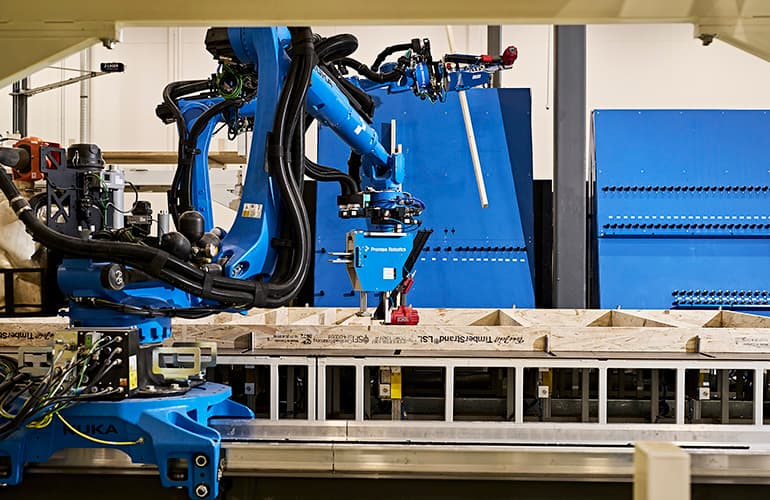
Promise Robotics signs multi-year AI deal with D.R. Horton
Promise Robotics announced a multi-year commercial agreement with D.R. Horton on October 13, 2026, to deploy physical AI systems in homebuilding operations. D.R. Horton is the...

Boston Dynamics shares details on Atlas humanoid's redesigned hand
Boston Dynamics provided details about a redesigned hand for its Atlas humanoid robot in an interview published on October 9, 2026. Alberto Rodriguez, director of robot...
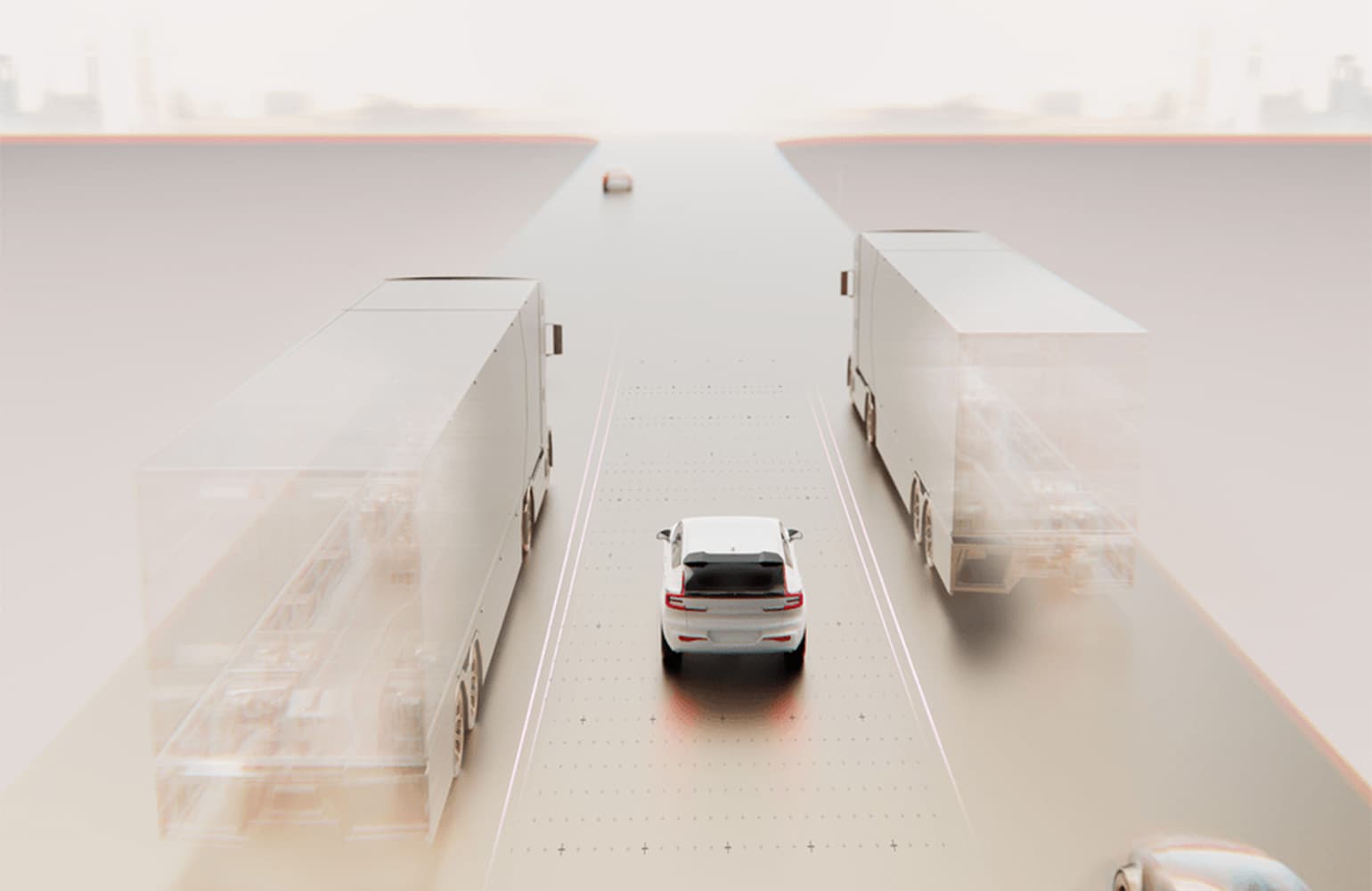
Helm.ai announces $70M in signed contracts for foundation models
Helm.ai has reached $70 million in signed commercial contracts for its foundation models, according to a report published on October 8, 2026. The company developed its...