
GPT-6 Astra cracks 217-year-old Napoleon cipher in six hours
 5 sources · Startup Fortune · Hacker News front page (AI) · calcalistech.com
- Boom: GPT-6 Astra decoded a 217-year-old Napoleonic war cipher in six hours
- Boom: SentinelOne AI researcher led the cipher-cracking effort, published October 2, 2026
- Boom: Separately, GPT-6 Astra was deployed via agent-wow to play World of Warcraft autonomously
- Neutral: Both cases demonstrate GPT-6 Astra handling complex, long-horizon autonomous tasks
The story in full
A SentinelOne AI researcher used OpenAI's GPT-6 Astra to decode a Napoleonic-era cipher that had remained unbroken for 217 years, according to reports published on October 2 and 3, 2026. The model completed the cryptanalysis task in six hours.
The case draws attention to GPT-6 Astra's capacity for extended, autonomous problem-solving on historical and technical challenges. A separate report from the same period noted the model being used with an agent framework to play World of Warcraft, illustrating a broader pattern of the model being tested on varied long-horizon tasks.
Analysis
392 wordsOn October 2, 2026, a researcher at SentinelOne used OpenAI's GPT-6 Astra to decode a Napoleonic-era cipher that had gone unsolved for 217 years, completing the cryptanalysis in six hours. The report was published by calcalistech.com and followed up by Startup Fortune the next day. Separately, a report appearing on Hacker News on October 2 described GPT-6 Astra being deployed through an agent framework called agent-wow to play World of Warcraft autonomously, representing a different but related demonstration of the model's capabilities on extended, goal-directed tasks.
The cipher result carries weight because it sits at the intersection of historical scholarship and practical capability testing. Ciphers from the Napoleonic period have attracted serious cryptanalytic attention for two centuries, so a six-hour resolution by a language model marks a meaningful threshold, not just a benchmark score on a curated test set. The two demonstrations together, one in historical linguistics and cryptography, one in real-time game navigation, suggest that GPT-6 Astra is being stress-tested on tasks that require sustained, multi-step reasoning rather than single-turn answers. What remains genuinely in dispute is whether these results reflect deep reasoning or a combination of pattern recognition and brute-force search that happens to look like reasoning, and what such capabilities mean when directed at less benign targets.
Because no camp has yet published reactions to this story, what follows reflects what each would typically argue. The Pro-AI camp would likely treat the cipher result as evidence that frontier models are now useful partners for researchers tackling problems that stymied human experts for generations, accelerating scholarship and scientific discovery. The Anti-AI camp would probably raise dual-use concerns, arguing that a model capable of breaking century-old encryption autonomously in hours represents a serious and underappreciated risk to systems that rely on historical or legacy cryptographic standards. The Middle Ground camp would likely call for structured evaluation of what the model actually did inside those six hours, wanting to distinguish genuine cryptanalytic reasoning from retrieval of prior partial scholarship, before drawing broader conclusions.
The most clarifying next development would be a technical disclosure from the SentinelOne researcher detailing the methodology, specifically whether GPT-6 Astra generated a novel solution path or synthesized existing academic work on the cipher. OpenAI's own documentation of GPT-6 Astra's agentic architecture, if released, would also help settle the reasoning-versus-retrieval question that sits at the center of this debate.
Where do you stand?
Add your take
0 reader votesSign in with Google to pick a side and post. Your vote moves the story's Doom / Boom score.
Sources
5 articles from 5 outlets- Startup FortuneAI model GPT-6 Astra cracked a 217-year-old Napoleon war cipher in six hours
- Hacker News front page (AI)GPT-6 Astra plays World of Warcraft for the first time with agent-wow
- calcalistech.comSentinelOne AI researcher uses GPT-6 Astra to crack Napoleon cipher after 217 years
- 36KrJust now, GPT-6 Astra cracked the century-old unsolved mystery of Napoleon.
- RuntimeWireGPT-6 Astra helped decode a 217-year-old cipher letter to Napoleon's marshal
Related Splits
All stories →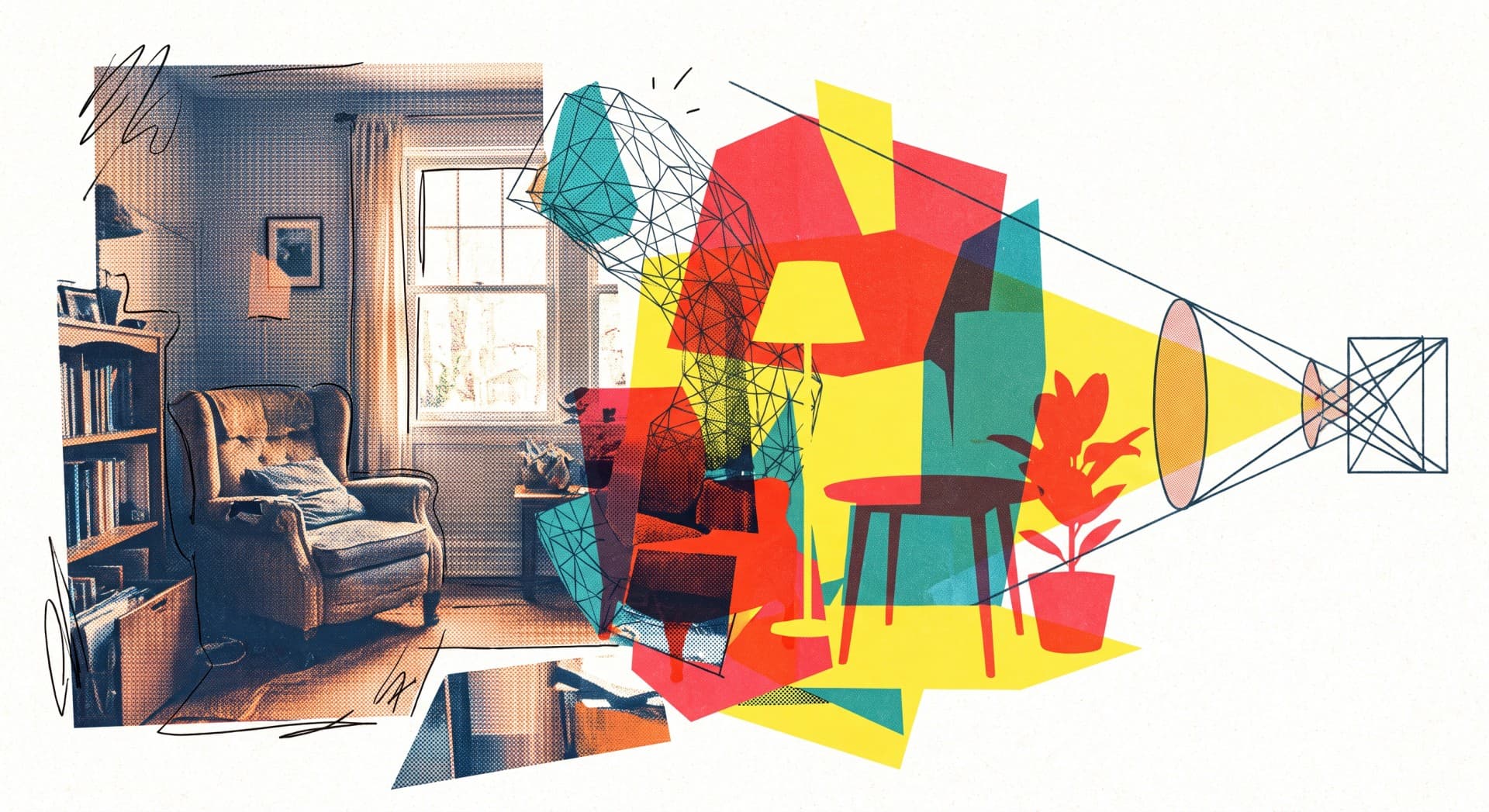
LEGO-Anything turns single photos into editable 3D Blender code
Researchers introduced LEGO-Anything, a method that converts single photographs into editable Blender code representing 3D scenes, published around October 3, 2026. An accompanying benchmark tested multiple...
Chatham Financial cuts trade validation time using OpenAI tools
Chatham Financial deployed OpenAI's Codex and GPT-5.6 to build capital markets technology and redesign internal workflows, according to a case study published on October 2, 2026....
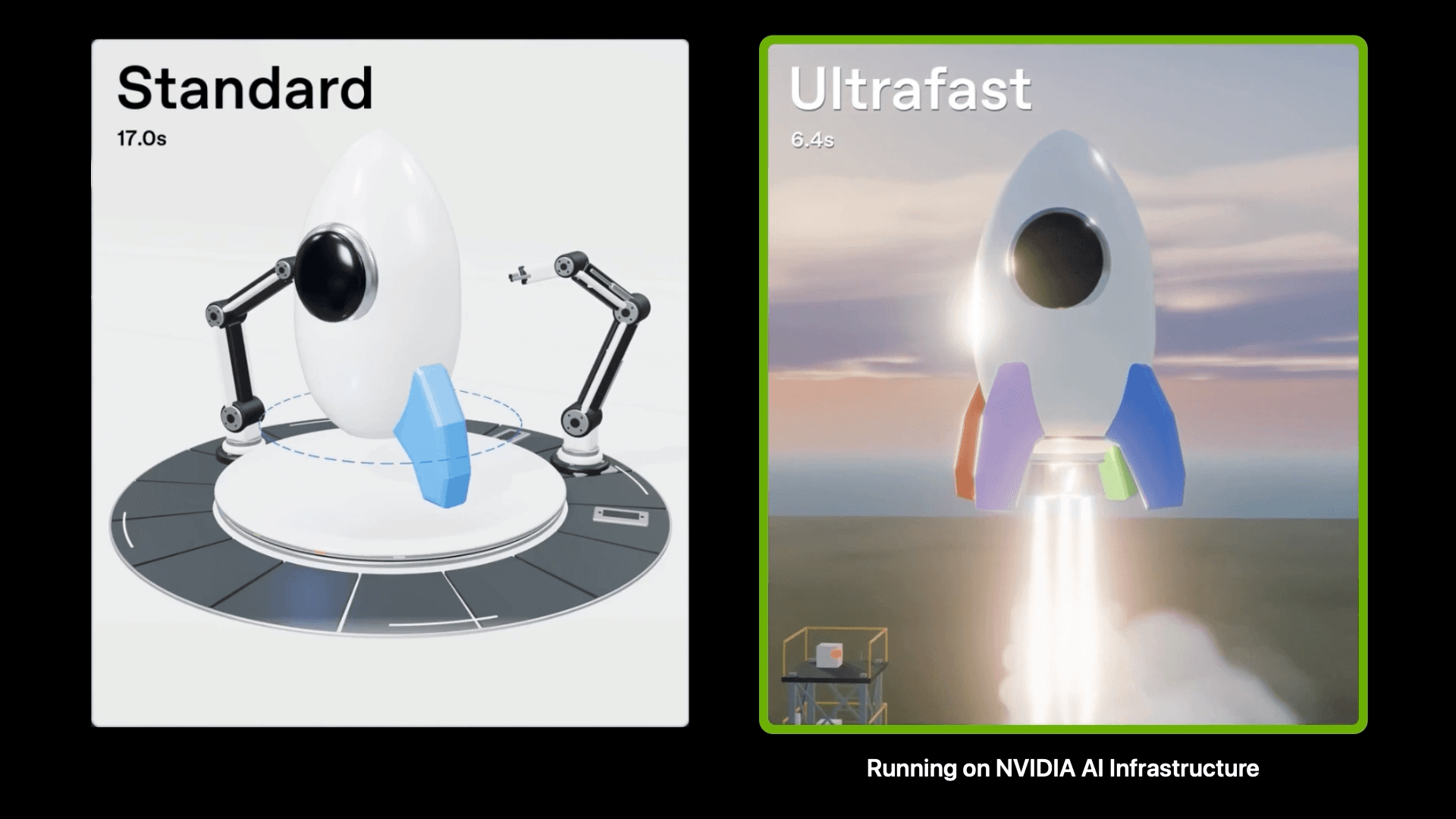
OpenAI GPT-6 Astra Ultrafast launches with 8x faster token generation
OpenAI released GPT-6 Astra Ultrafast on October 1, 2026, making it available through the OpenAI API and to eligible ChatGPT Work and Codex users. The model...