
Nvidia market cap approaches $6 trillion amid AI valuation debate
 3 sources · CNBC · Yahoo Finance · 24/7 Wall St.
- Boom: Nvidia is reported to be approaching a $6 trillion market capitalization
- Neutral: An investor sold Nvidia, Google, and Microsoft over a perceived $2 trillion AI valuation gap
- Neutral: The investor publicly questions whether selling those AI-linked stocks was the right call
The story in full
On October 2, 2026, CNBC reported that Nvidia is moving toward a $6 trillion market capitalization. Separately, pieces published the same day on 24/7 Wall St. and Yahoo Finance describe an investor who sold Nvidia, Google, and Microsoft shares citing a $2 trillion gap in AI valuations and questions whether that decision was correct.
Analysis
407 wordsOn October 2, 2026, CNBC reported that Nvidia is moving toward a $6 trillion market capitalization, a figure that would place it among the most valuable companies ever recorded. The same day, pieces published on 24/7 Wall St. and Yahoo Finance described an individual investor who had sold shares in Nvidia, Google, and Microsoft, citing what they characterized as a $2 trillion gap in AI valuations. That investor then publicly asked whether the decision to exit those positions had been a mistake, a question that cuts to the heart of a broader debate about where AI-linked stock prices stand relative to underlying value.
The $6 trillion figure matters because it represents not just a corporate milestone but a signal of how much capital markets have committed to the idea that AI will reshape the economy at scale. For context, very few companies have ever sustained valuations in that range, and Nvidia's rise has been almost entirely driven by demand for its chips from AI developers and data center operators. The $2 trillion valuation gap the investor cited suggests a belief that current prices across Nvidia, Google, and Microsoft already price in gains that may not materialise, or that prices have run ahead of what revenues and earnings can justify. What is genuinely in dispute is whether that gap represents a bubble, a rational bet on transformative technology, or something in between.
None of the three camps had published specific reactions to this story by the time it was reported. Pro-AI commentators would typically argue that Nvidia's march toward $6 trillion reflects real and growing demand, and that selling now means missing the compounding returns that come with a genuine technological platform shift. Anti-AI voices would likely point to the investor's hesitation as vindication, arguing that a $2 trillion valuation gap is precisely the kind of warning sign that precedes painful corrections in speculative cycles. The Middle Ground camp would probably acknowledge both the genuine commercial momentum behind Nvidia and the legitimate concern that valuations have outpaced near-term fundamentals, calling for caution without outright dismissal.
The argument will be shaped by Nvidia's next earnings report, which will show whether revenue growth is keeping pace with a market capitalization approaching $6 trillion. Any sign that data center orders are softening, or that competing chip suppliers are closing the performance gap, would give the skeptics fresh ammunition. Continued blowout results would likely silence the valuation gap argument, at least temporarily.
Where do you stand?
Add your take
0 reader votesSign in with Google to pick a side and post. Your vote moves the story's Doom / Boom score.
Sources
3 articles from 3 outletsRelated Splits
All stories →Nvidia stock reaches all-time high with market cap near $6 trillion
Nvidia shares hit a new all-time high on October 2, 2026, its first record since May, pushing its market capitalization to approximately $5.7 to $6 trillion...
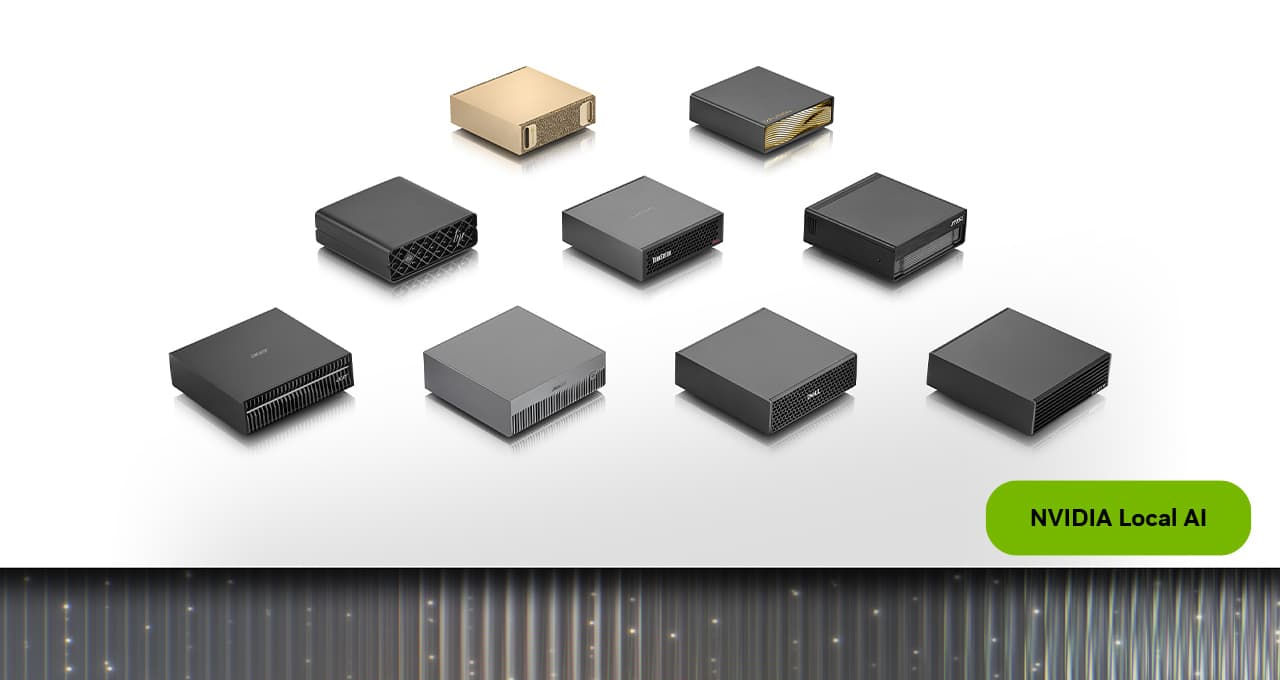
Nvidia launches 64 GB DGX Spark at $4,999 this month
Nvidia announced on October 2, 2026 that a 64 GB unified memory version of its DGX Spark desktop AI system will go on sale this month,...
Nvidia raises Shield TV Pro price by $100 to $299
Nvidia raised the price of the Shield TV Pro to $299.99 on October 2, 2026, a $100 increase from its previous price. The Android TV box...