
Nvidia launches 64GB DGX Spark for $4,999
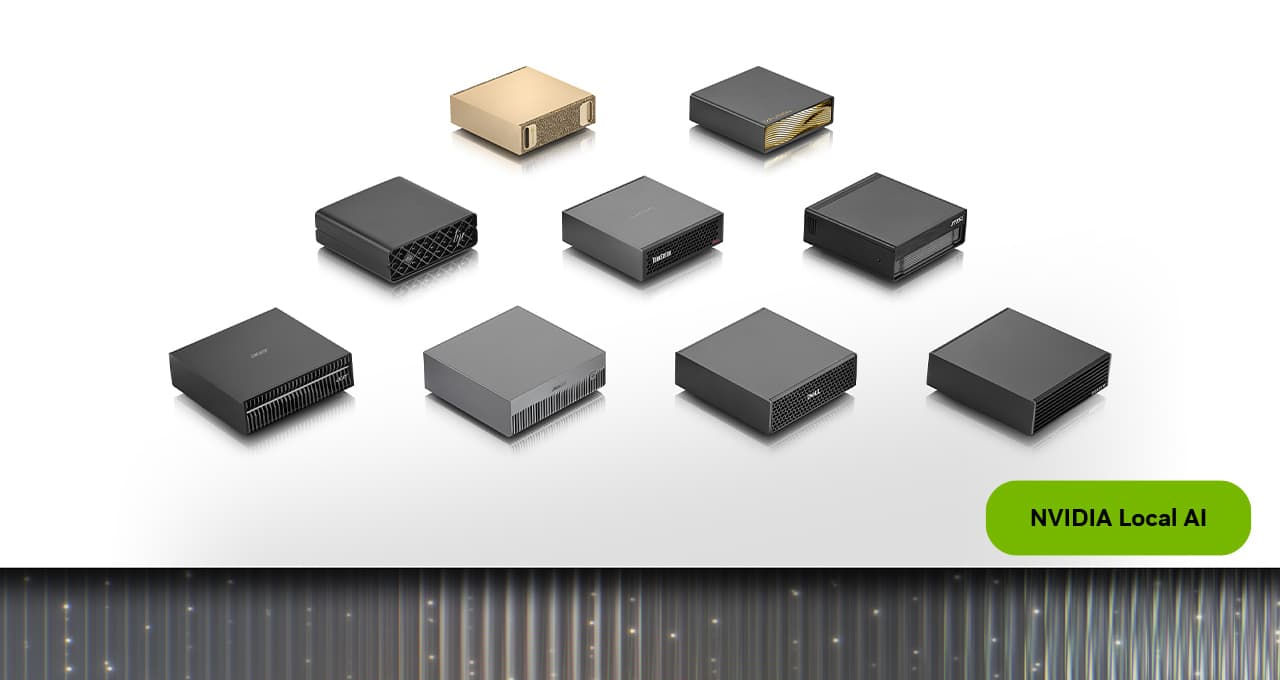 2 sources · NVIDIA Blog · The Register
- Boom: Nvidia's DGX Spark 64GB unified memory model is priced at $4,999
- Boom: The device ships this month through partners including Acer
- Doom: The 64GB version offers half the RAM and storage of the existing DGX Spark
- Boom: Nvidia targets the device at developers running AI agents and open models locally
The story in full
Nvidia announced on October 2, 2026 a new 64GB unified memory configuration of its DGX Spark personal AI computer, priced at $4,999. The device will be available through manufacturer partners including Acer, with additional partners implied in the announcement.
The 64GB model sits alongside an existing higher-capacity version; The Register characterizes the new SKU as offering half the RAM and storage of that predecessor. Nvidia frames it as giving developers more options for running AI agents and open models locally at a lower entry price.
Analysis
339 wordsOn October 2, 2026, Nvidia announced a new configuration of its DGX Spark personal AI computer featuring 64GB of unified memory, priced at $4,999. The device will ship during October through manufacturer partners, with Acer named among them. The new SKU sits below an existing higher-capacity DGX Spark model; The Register notes the 64GB version carries half the RAM and storage of that predecessor. Nvidia is positioning the machine as a lower entry point for developers who want to run AI agents and open models directly on local hardware.
The announcement matters because it reflects a broader shift in how AI development tools are being packaged and sold. Personal AI workstations occupy an unusual middle ground between cloud-based inference and full enterprise hardware, and a $4,999 price point is still a significant professional investment even if it is lower than what came before. The genuine dispute here is whether the hardware represents meaningful democratization of AI development or whether halving the memory and storage makes it a compromised product dressed up as an accessible option, a tension The Register's framing makes explicit.
None of the three camps had published reactions at the time of this report, so what follows reflects what each would typically argue about a story like this. The Pro-AI camp would likely celebrate the lower price as evidence that capable local AI hardware is becoming more reachable for individual developers, pointing to the trend of open models shrinking to fit consumer-grade devices. The Anti-AI camp would probably argue that a $4,999 machine is not meaningfully accessible to most people and that framing it as democratizing access obscures who actually benefits. The Middle Ground camp would tend to acknowledge the price reduction as a real step while questioning whether the memory cut makes the device impractical for the workloads Nvidia advertises it for.
The clearest near-term signal will come from developer reception once the device ships this month, particularly whether the 64GB ceiling proves sufficient for the open models and agent workflows Nvidia highlights in its marketing.
Where do you stand?
Add your take
0 reader votesSign in with Google to pick a side and post. Your vote moves the story's Doom / Boom score.
Sources
3 articles from 2 outletsRelated Splits
All stories →
Nvidia stock reaches new all-time high with $5.7 trillion valuation
Nvidia shares hit a new all-time high on October 2, 2026, with its market capitalization reaching approximately $5.7 trillion, according to Yahoo Finance, while Bloomberg reported...
Nvidia promotes long-term chip value as supply chain stock gains attention
On October 2, 2026, Nvidia publicly highlighted the lasting value of its AI chips, characterizing the move as a victory lap over the durability of its...
Morgan Stanley names Nvidia its top stock pick again
On October 2, 2026, Morgan Stanley reinstated Nvidia as its top pick among stocks, with an analyst stating that AI industry trends align with Nvidia's strengths....