
Nvidia stock reaches new all-time high with $5.7 trillion valuation
 4 sources · CNBC · Yahoo Finance · Barron's
- Boom: Nvidia shares hit a new all-time high on October 2, 2026
- Boom: Nvidia market cap reached $5.7 trillion, nearing $6 trillion by some measures
- Neutral: This was Nvidia's first stock record since May 2026
The story in full
Nvidia shares hit a new all-time high on October 2, 2026, with its market capitalization reaching approximately $5.7 trillion, according to Yahoo Finance, while Bloomberg reported the value was nearing $6 trillion. The milestone marked Nvidia's first record close since May 2026.
Analysis
332 wordsOn October 2, 2026, Nvidia shares closed at a new all-time high, ending a roughly five-month stretch without a record close that had lasted since May 2026. Yahoo Finance reported the company's market capitalization at approximately $5.7 trillion on the day, while Bloomberg placed the figure as nearing $6 trillion, a difference that likely reflects the precise moment each outlet measured the share price during trading. The milestone was noted alongside broader market movements, with Barron's grouping Nvidia in a roundup that also featured Tesla, Seagate, ON Semiconductor, Strategy, and HPE.
The gap between May and October matters because it coincided with a period of heightened scrutiny over AI infrastructure spending, export controls on advanced chips, and questions about whether demand from hyperscalers could sustain Nvidia's growth trajectory. Reaching a new record suggests the market, at least on this day, answered those questions in Nvidia's favor. What remains genuinely in dispute is whether a valuation in the $5.7 to $6 trillion range reflects durable earnings power or a premium that assumes an AI buildout that may not materialize at the pace investors expect.
No reactions from the Pro-AI, Anti-AI, or Middle Ground camps had been published at the time of this report. Typically, Pro-AI commentators would treat a new Nvidia record as confirmation that AI infrastructure investment is accelerating and that the sector's fundamentals justify the valuation. Anti-AI voices would be expected to argue that the figure represents speculative excess, pointing to concentration risk and the possibility of a correction if enterprise AI adoption disappoints. The Middle Ground camp would likely call attention to both the genuine demand signals and the historical pattern of technology valuations overshooting before correcting.
The next concrete markers to watch are Nvidia's upcoming quarterly earnings report, any further updates to US export restrictions on H-series and Blackwell chips, and announcements from major cloud providers about their capital expenditure plans for 2027, all of which could either reinforce or undercut the valuation the market assigned on October 2.
Where do you stand?
Add your take
0 reader votesSign in with Google to pick a side and post. Your vote moves the story's Doom / Boom score.
Sources
4 articles from 4 outletsRelated Splits
All stories →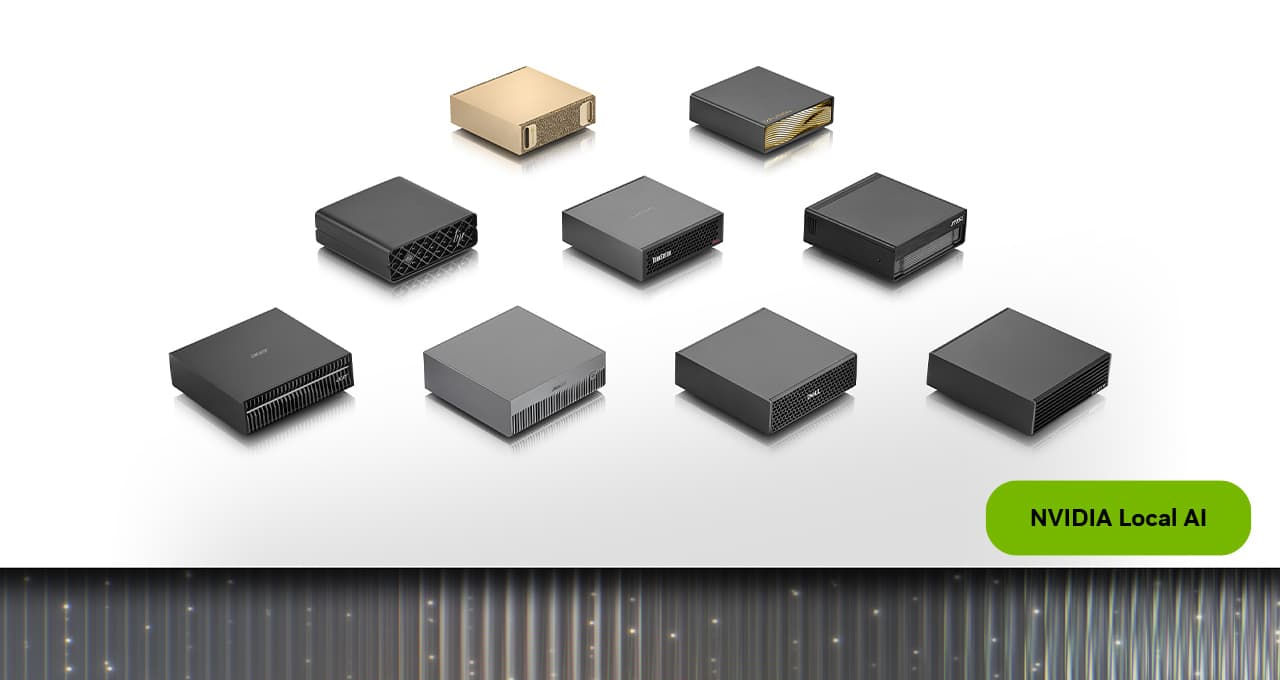
Nvidia launches 64GB DGX Spark for $4,999
Nvidia announced on October 2, 2026 a new 64GB unified memory configuration of its DGX Spark personal AI computer, priced at $4,999. The device will be...
Nvidia promotes long-term chip value as supply chain stock gains attention
On October 2, 2026, Nvidia publicly highlighted the lasting value of its AI chips, characterizing the move as a victory lap over the durability of its...
Morgan Stanley names Nvidia its top semiconductor pick
Morgan Stanley named Nvidia its top semiconductor pick around October 1–2, 2026, with an analyst stating that AI trends play to Nvidia's strengths. Nvidia shares rose...