
Amazon arranges $8 billion sale-leaseback deal for Nvidia chips
 6 sources · GuruFocus · tradingkey.com · Yahoo Finance
- Neutral: Amazon completed an $8 billion sale-leaseback deal to finance Nvidia chip procurement
- Boom: The transaction signals continued large-scale AI infrastructure spending by major cloud providers
- Boom: AMD identified as an additional winner in the expanding AI chip market alongside Nvidia
- Doom: Amazon used an unconventional financing step, raising questions about AI capital expenditure burdens
The story in full
Amazon executed an $8 billion sale-leaseback transaction involving Nvidia chips, according to reporting from multiple outlets on October 1 and 2, 2026. The deal involves Amazon selling Nvidia hardware and leasing it back as a financing mechanism to fund continued AI infrastructure spending.
The arrangement highlights the scale of capital commitments major cloud providers are making to secure AI computing capacity. AMD is also cited in related coverage as a secondary beneficiary of broader AI chip demand, suggesting the market for AI accelerators extends beyond Nvidia alone.
Analysis
413 wordsOn October 1 and 2, 2026, reporting emerged that Amazon had completed an $8 billion sale-leaseback arrangement tied to Nvidia chips. In a sale-leaseback, a company sells an asset to a third party and then leases it back, freeing up capital while retaining operational use of the asset. Applied to hardware at this scale, the structure allows Amazon to convert chip inventory into liquidity and spread the cost of AI infrastructure over time rather than absorbing it as an immediate capital outlay. AMD appeared in related coverage as a secondary beneficiary, with analysts noting that demand for AI accelerators is broad enough to lift chipmakers beyond Nvidia.
The transaction is significant because it illustrates how expensive the AI buildout has become, even for one of the world's largest and best-capitalized companies. Cloud providers have been committing enormous sums to AI infrastructure for several years, but an $8 billion financing maneuver for a single category of hardware suggests that straightforward capital expenditure may no longer be sufficient to keep pace with demand. Sale-leasebacks are common in real estate and aviation but are less conventional in semiconductor procurement, which is part of why the deal has drawn attention. The genuinely contested question is whether this kind of financial engineering reflects healthy, confident expansion or whether it signals that AI capital commitments are straining even the balance sheets of hyperscalers.
None of the three camps have published direct reactions to this story yet. The Pro-AI camp would typically read a deal of this size as validation that AI infrastructure is a durable, high-priority investment, treating Amazon's willingness to construct complex financing as evidence of strong conviction in future returns. The Anti-AI camp would likely point to the unconventional financing structure as a warning sign, arguing that when trillion-dollar companies resort to sale-leasebacks to fund chip purchases, the capital demands of AI may be outrunning its demonstrated economic value. A middle-ground position would probably acknowledge both the genuine scale of AI infrastructure investment and the legitimate uncertainty about whether the returns will justify it, treating the deal as a data point rather than a verdict in either direction.
The argument would sharpen considerably if Amazon reports its next quarterly earnings and breaks out capital expenditure and leasing obligations in enough detail to show how this arrangement affects its cash flow. Any similar deals by Microsoft, Google, or Meta would also indicate whether sale-leasebacks are becoming a standard financing tool across the industry or remain an isolated case.
Where do you stand?
Add your take
0 reader votesSign in with Google to pick a side and post. Your vote moves the story's Doom / Boom score.
Sources
6 articles from 6 outlets- GuruFocusAn $8 Billion Reason Why Amazon and Nvidia Are in Focus
- tradingkey.comAmazon Stock Forecast: $8 Billion Chip Financing Report Puts AI Spending in Focus
- Yahoo FinanceAmazon Takes Drastic Step To Finance Nvidia Chips Amid AI Spending Boom
- fourweekmba.comAmazon’s $8 Billion Nvidia Chip Sale-Leaseback
- BenzingaAI’s Trillion-Dollar Chip Boom Is Getting Bigger, and NVIDIA Isn’t the Only Winner
- 24/7 Wall St.AMD Doesn’t Need to Beat Nvidia to Be a Big AI Winner
Related Splits
All stories →Nvidia stock reaches new all-time high with $5.7 trillion valuation
Nvidia shares hit a new all-time high on October 2, 2026, with its market capitalization reaching approximately $5.7 trillion, according to Yahoo Finance, while Bloomberg reported...
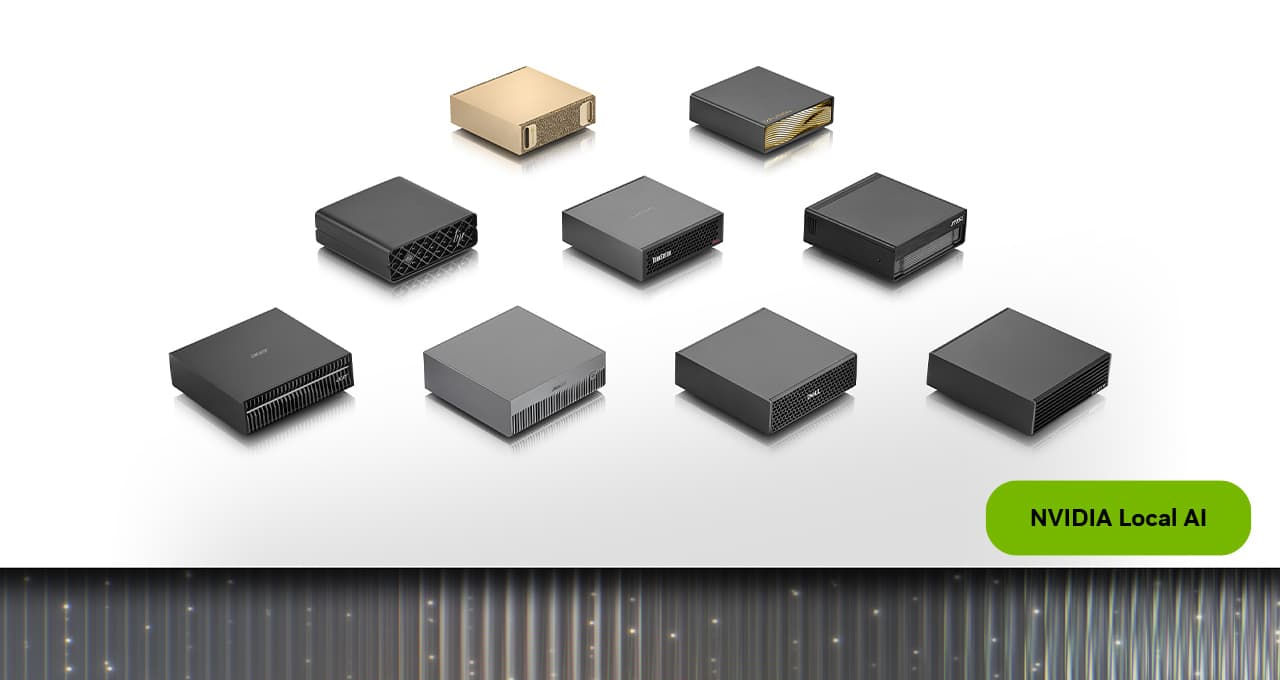
Nvidia launches 64GB DGX Spark for $4,999
Nvidia announced on October 2, 2026 a new 64GB unified memory configuration of its DGX Spark personal AI computer, priced at $4,999. The device will be...

Amazon urges communities not to block data center construction
Amazon Web Services CEO Matt Garman published a blog post on October 2, 2026, exceeding 3,000 words, calling on communities and policymakers to support AI data...