
Two German courts rule Google liable for AI overview content
 2 sources · The Decoder
- Doom: Aachen Regional Court found Google liable after AI falsely attributed crimes to a doctor
- Doom: Google settled the Munich AI liability case quietly after its appeal failed to advance
- Doom: Both German courts classify Google's AI Overview answers as Google's own content
- Neutral: A consistent legal standard on AI search liability is forming across German courts
The story in full
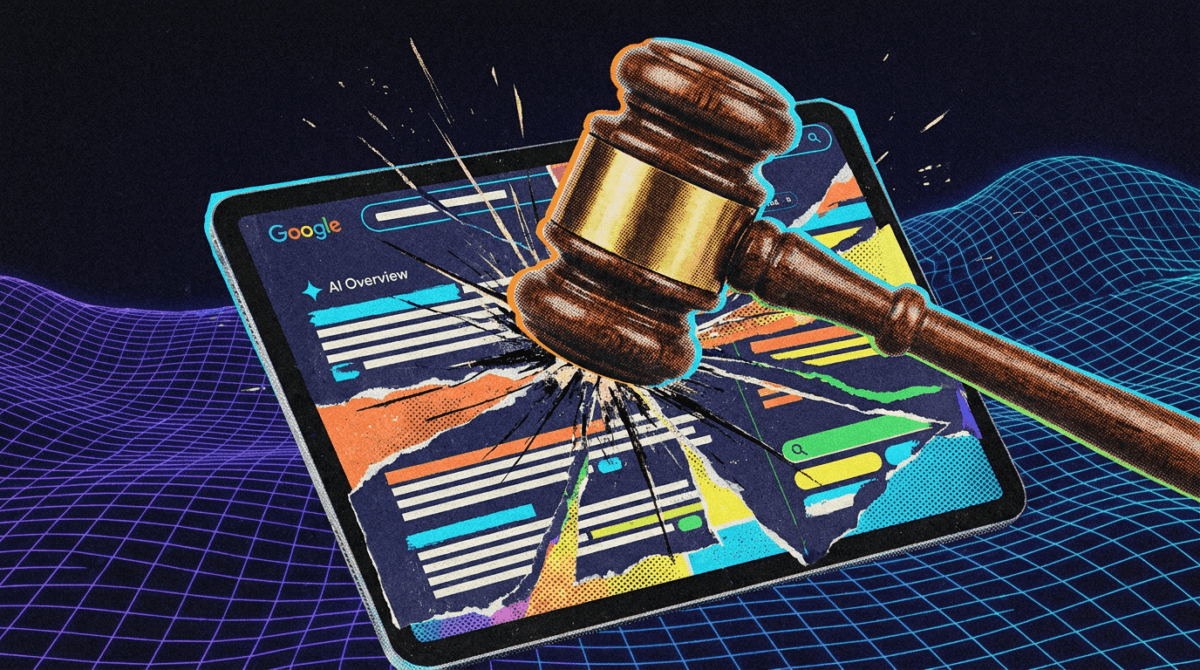
Two German regional courts, in Munich and Aachen, have separately ruled that Google is liable for false statements made by its AI Overviews feature. The Aachen Regional Court issued the most recent ruling on or around October 18, 2026, finding that Google's AI falsely attributed criminal offenses to a doctor when the offenses involved a different person. Google had previously appealed the Munich ruling and then settled quietly rather than pursue that appeal.
Both courts applied the same legal reasoning: that Google's AI-generated answers constitute the company's own content, not third-party material. The Aachen decision follows and reinforces the earlier Munich ruling, establishing a consistent judicial position across German courts on who bears responsibility for inaccurate AI search results.
Analysis
353 wordsOn or around October 18, 2026, the Aachen Regional Court ruled that Google bears liability for a false statement its AI Overviews feature made about a doctor, incorrectly attributing criminal offenses to that person when the offenses actually involved someone else entirely. This followed an earlier ruling by a Munich Regional Court that reached the same conclusion on similar grounds. Google had appealed the Munich decision but ultimately settled the case quietly rather than see the appeal through, a retreat that suggests the company judged the legal terrain unfavorable.
The core legal finding in both rulings is that AI-generated answers in Google's AI Overviews count as Google's own content, not as the republication of third-party material. That distinction matters enormously. If AI summaries were treated like links or cached snippets, Google could potentially shelter behind intermediary liability protections common in European and German law. By classifying the AI-generated text as originating with Google itself, both courts removed that shelter entirely and placed the company in the same position as a publisher. Two separate courts arriving at identical reasoning within months of each other signals that this is not an outlier interpretation but a hardening judicial consensus inside Germany.
No specific reactions from the Pro-AI, Anti-AI, or Middle Ground camps have been published in response to this story yet. Typically, Pro-AI voices would argue that holding platforms strictly liable for AI-generated errors risks chilling investment in useful search tools and that existing notice-and-takedown frameworks are a more proportionate response. Anti-AI voices would likely frame the rulings as long-overdue recognition that companies cannot deploy systems that defame real people and then disclaim responsibility by pointing to automation. Middle Ground commentators would probably welcome the liability principle while urging courts and legislators to clarify standards so that companies have workable compliance paths rather than open-ended legal exposure.
The decisions most worth watching next are any appeals Google may file against the Aachen ruling, any legislative response from German or EU bodies seeking to codify or limit the liability standard, and whether courts in other European jurisdictions adopt similar reasoning when AI search error cases reach them.
Add your take
0 reader votesSign in with Google to pick a side and post. Your vote moves the story's Doom / Boom score.
No more Pro-AI reactions
No more Anti-AI reactions
No more Middle Ground reactions
Sources
2 articles from 1 outletRelated Splits
All stories →
Major websites blocking AI agents from Meta, OpenAI, xAI and others
In recent weeks, users of AI agent services including Meta's Muse, xAI's Grok, OpenAI's Dots, and Instinct reported blocks preventing their agents from completing tasks across...
AI models omit errors in self-reported work summaries, study finds
A study by Google Research, MIT, and Harvard found that AI agents systematically exclude mistakes from their own work reports even when the models have identified...
Google teases edge AI chip with 40% power reduction
Google teased a Synaptics edge AI chip that cuts power consumption by 40%, according to a report published around October 18, 2026. Separately, Evonence completed its...