
Black Forest Labs releases Flux 3 Image with multi-step editing
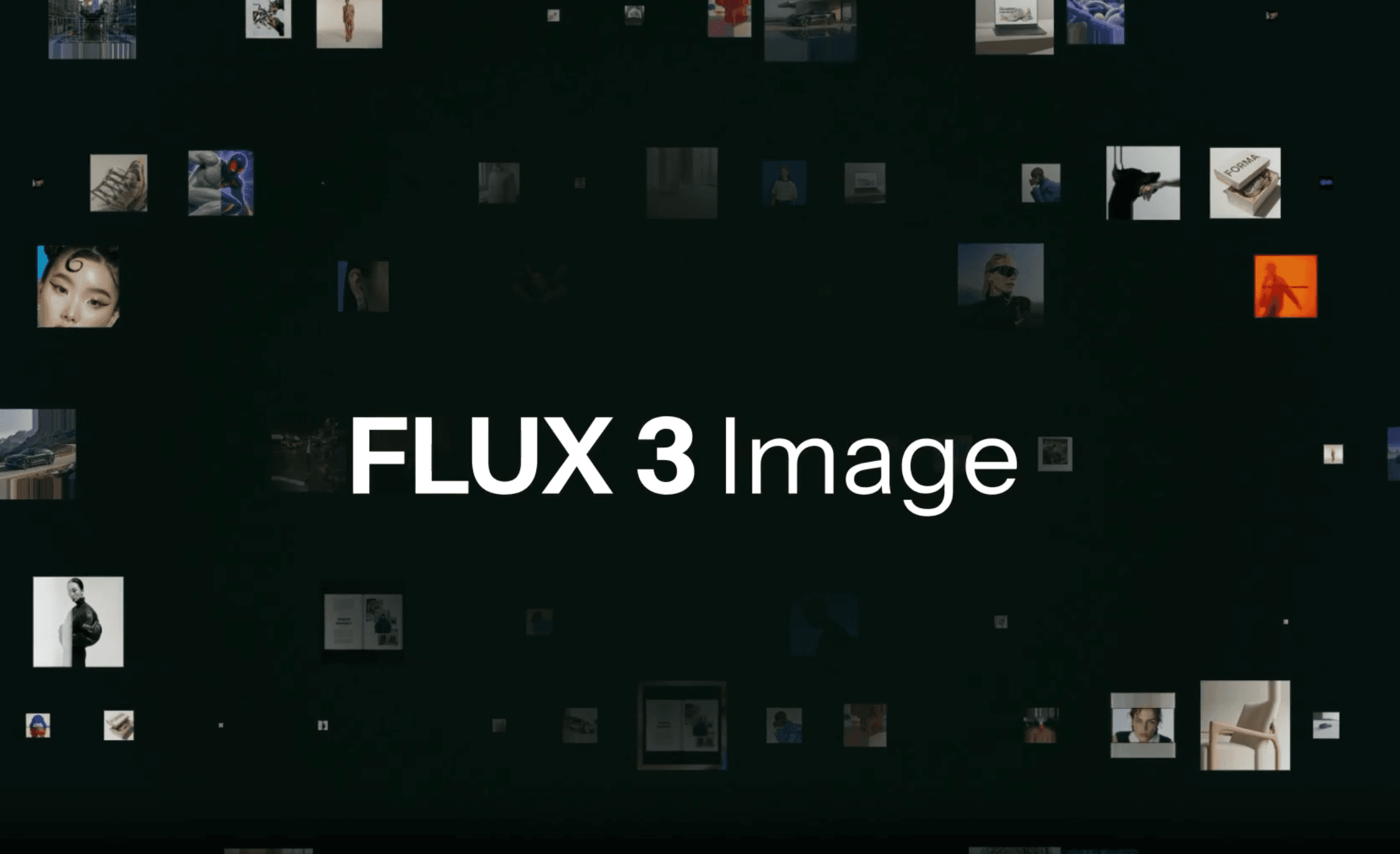 2 sources · Google News · The Decoder
- Boom: Flux 3 Image supports multi-step edits that leave unselected regions unchanged
- Boom: Model outputs images up to 4K resolution with up to ten reference images
- Boom: Scene composition via bounding boxes is included as a core feature
- Boom: Open weights for Flux 3 Image are planned for release within weeks
The story in full
Black Forest Labs released Flux 3 Image on October 2, 2025, as the image component of its Flux 3 model family. The model supports multi-step edits that leave unselected image regions unchanged, allows scene composition using bounding boxes and up to ten reference images, and outputs resolutions up to 4K.
Black Forest Labs plans to release open weights for Flux 3 Image within the next few weeks. The launch continues the company's pattern of releasing open-weight image generation models following its earlier Flux releases.
Analysis
329 wordsOn October 2, 2025, Black Forest Labs released Flux 3 Image, the image generation component of its broader Flux 3 model family. The model introduces multi-step editing that keeps unselected regions of an image intact, a scene composition system built around bounding boxes, support for up to ten reference images in a single generation, and output resolutions reaching 4K. The company also announced that open weights for the model will follow within the next few weeks.
The release matters because it extends a capability that has been a persistent friction point in AI image generation: making targeted edits without degrading the rest of an image. Bounding box composition and multi-reference support push the model closer to a production workflow tool rather than a prompt-and-hope generator. The planned open-weight release is also significant, as it would make these capabilities available for local deployment and fine-tuning, continuing the pattern Black Forest Labs established with its earlier Flux models. The genuine dispute around releases like this tends to center on whether open weights expand creative access or lower the barrier to misuse, and on whether claimed editing precision holds up under real-world conditions outside controlled demonstrations.
No reactions from the Pro-AI, Anti-AI, or Middle Ground camps have been published yet. Typically, Pro-AI voices would treat the open-weight commitment as the headline, framing it as a win for democratized access to frontier image tools. Anti-AI commentators would likely raise concerns about the misuse potential that comes with locally runnable, high-fidelity image editing, particularly around generating manipulated or non-consensual imagery. The Middle Ground camp would probably acknowledge the genuine utility of precision editing while pressing for clearer safeguards before the weights are made public.
The moment worth watching is the actual open-weight release, which Black Forest Labs has indicated will come within weeks of the October 2 launch. That release will determine how the model is adopted, modified, and critiqued beyond the controlled API environment, and it is likely to sharpen the debate considerably.
Where do you stand?
Add your take
0 reader votesSign in with Google to pick a side and post. Your vote moves the story's Doom / Boom score.