
Apple tightens macOS privacy controls in response to AI agents
 4 sources · TradingView · The Tech Buzz · 9to5Mac
- Boom: Apple announced tighter macOS privacy controls on October 2, 2026
- Doom: AI agents identified as the threat driving the macOS security changes
- Doom: Analysts flagged AI agents as a risk to Apple's App Store gatekeeping model
- Neutral: Apple stock rose on the day the privacy changes were announced
The story in full
On October 2, 2026, Apple announced tighter privacy controls on macOS, citing risks posed by AI agents. Three outlets reported the move on the same day, collectively establishing that the company is adjusting its platform security in response to the growing use of AI agents.
The development sits alongside broader concern that AI agents could undermine Apple's App Store gatekeeping role, a point noted in financial coverage that nonetheless showed Apple's stock rising on the day of the announcement. The specific nature of the new macOS controls and any named Apple executives involved were not detailed in available reporting.
Analysis
345 wordsOn October 2, 2026, Apple announced tighter privacy controls for macOS, framing the move as a direct response to the growing presence of AI agents on its platform. The announcement drew coverage from 9to5Mac, The Tech Buzz, and GuruFocus on the same day. The specific technical details of the new controls, and the names of any Apple executives who spoke to the changes, were not included in available reporting. Despite the security concerns the announcement surfaced, Apple's stock rose on the day the news broke.
The story matters because it represents one of the first times Apple has publicly acknowledged AI agents as a distinct threat category warranting platform-level changes. AI agents, which can act autonomously on a user's behalf across apps and services, sit uneasily within Apple's tightly controlled software ecosystem. Analysts flagged that agents capable of operating across applications could erode the App Store's role as the primary gatekeeper for software on Apple devices, a model that has been central to Apple's revenue and platform control for years. Whether the new privacy controls genuinely address that structural risk, or simply extend existing sandboxing and permission logic, is the question the available reporting leaves open.
No reactions from the Pro-AI, Anti-AI, or Middle Ground camps had been published at the time of writing. The Pro-AI camp would typically argue that tighter controls risk slowing useful agent functionality and that Apple is protecting a commercial interest as much as a privacy one. The Anti-AI camp would likely welcome the move as overdue, pointing to the real risks that autonomous agents pose to user data and device security. The Middle Ground camp would generally expect this kind of graduated platform response, viewing it as a sign that AI agent development is maturing fast enough to force policy changes from major hardware makers.
The details most worth watching are what Apple discloses at a developer-facing event or in updated platform documentation, particularly whether the new controls require explicit user permission for agent actions, and how third-party AI agent developers respond to any new restrictions on cross-app access.
Where do you stand?
Add your take
0 reader votesSign in with Google to pick a side and post. Your vote moves the story's Doom / Boom score.
Sources
4 articles from 4 outlets- TradingViewApple Stocks Rises Although AI Agents Threaten App-Store Gatekeeping
- The Tech BuzzApple Tightens macOS Security Against AI Agent Risks
- 9to5MacApple says it’s tightening macOS privacy controls amid the rise of AI agents
- GuruFocusApple Stocks Rises Although AI Agents Threaten App-Store Gatekeeping
Related Splits
All stories →
Apple tightening macOS Full Disk Access controls over AI agent risks
Apple announced on October 2, 2026 that it will add new controls around the Full Disk Access permission in macOS, citing growing risks posed by increasingly...
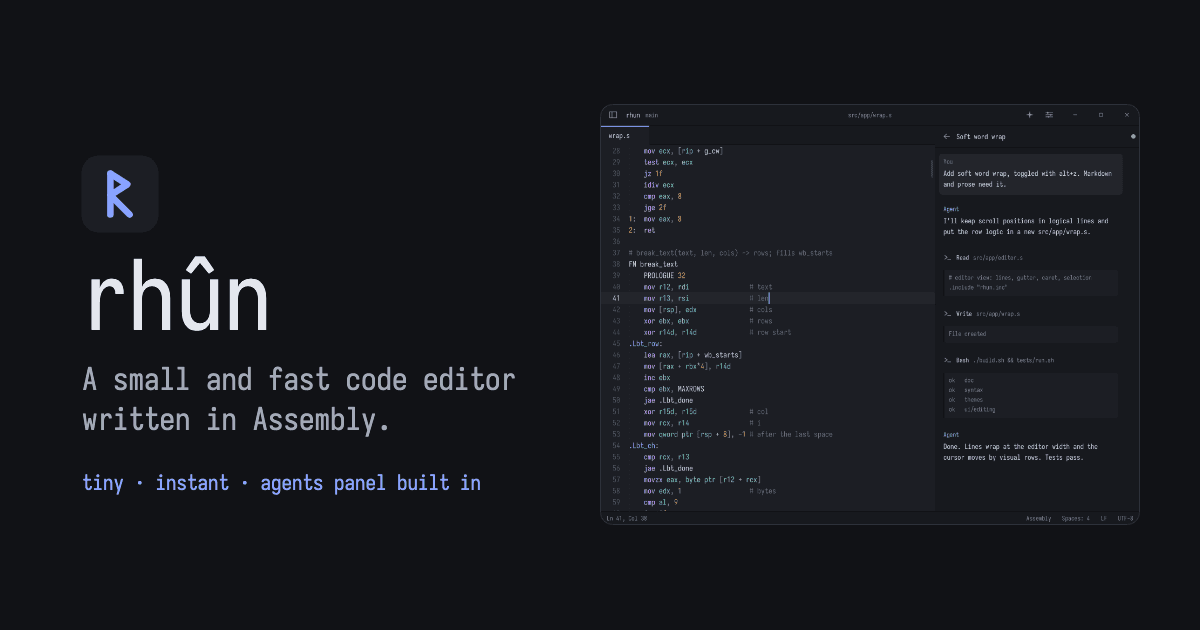
Developer releases Rhun, an assembly-written open-source code editor
A developer published Rhun, an open-source code editor for Linux, Windows, and Apple Silicon Macs, announced on Hacker News on October 1, 2026. The editor is...

Google adds Guided Vision to Gemini Live for blind users
Google launched Guided Vision in Gemini Live on compatible Android devices on October 1, 2026. The feature uses AI to provide real-time audio descriptions of whatever...