
Nikon Small World in Motion winner disqualified for AI use
 2 sources · Ars Technica AI · Ars Technica
- Doom: First-place Nikon Small World in Motion entry was disqualified for AI use
- Neutral: Nguyen Nam Nhat of Vietnam was named the new winner after the disqualification
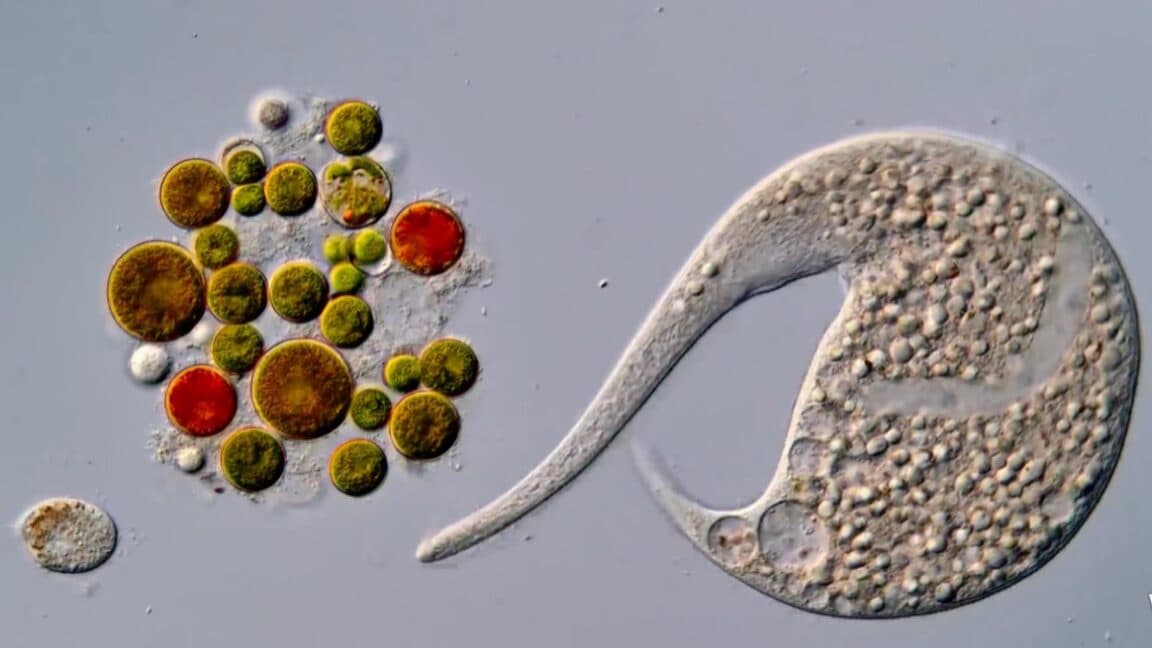
- Neutral: Winning video featured a roundworm alongside single-celled organism Dileptus
The story in full
The first-place entry in Nikon's Small World in Motion competition was disqualified after judges determined the video involved AI, according to a report published on October 9, 2026. Following the disqualification, the title passed to Nguyen Nam Nhat of Vietnam, whose video features a roundworm and single-celled Dileptus organism.
The Small World in Motion competition is Nikon's annual contest for videos captured through microscopy. The disqualification reflects a growing practice among science and photography competitions of enforcing explicit prohibitions on AI-generated or AI-enhanced submissions, though the specific rule violated and the identity of the original winner are not detailed in available sources.
Analysis
352 wordsOn October 9, 2026, Nikon's Small World in Motion competition stripped its first-place prize from an unnamed entrant after judges concluded the winning video had involved artificial intelligence in some form. The title then passed to Nguyen Nam Nhat of Vietnam, whose entry shows a roundworm interacting with a single-celled Dileptus organism captured through microscopy. The specific rule the original winner violated, and the precise way AI was used in the disqualified video, have not been detailed in available sources.
The Small World in Motion contest is one of the more prestigious annual showcases for scientific videography, and a disqualification at the top of the podium carries weight beyond a simple administrative correction. Science and photography competitions have been tightening their policies on AI-generated and AI-enhanced work, and this case adds a high-profile example to that trend. What remains genuinely in dispute across these competitions is where the line sits between legitimate digital processing, which microscopy has always relied on, and AI enhancement that crosses into fabrication or unfair augmentation. That boundary is rarely clean, and different contest organizers are drawing it in different places.
None of the three camps have published reactions to this specific story yet. The Pro-AI camp would typically argue that blanket prohibitions conflate useful AI tools with deceptive ones, potentially penalizing competitors who used AI only in ways comparable to conventional post-processing. The Anti-AI camp would generally welcome the disqualification as proof that enforcement is both necessary and achievable, and would argue that scientific image competitions depend on authenticity as a foundation. The Middle Ground camp would likely call for clearer, more granular rules that distinguish between AI-assisted processing and AI-generated content, so that competitors and judges are working from the same definitions.
The clearest thing to watch is whether Nikon publishes an explicit and detailed AI policy ahead of the next competition cycle, and whether other major science imaging contests follow with their own updated rules. How those policies define permissible AI use will determine how many future entries sit in a gray area similar to the one that cost this year's original winner the title.
Where do you stand?
Add your take
0 reader votesSign in with Google to pick a side and post. Your vote moves the story's Doom / Boom score.