
MIT Lincoln Laboratory researchers publish survey of AI hardware evolution
 2 sources · MIT News: AI · MIT News
- Boom: MIT Lincoln Laboratory released an ongoing survey tracking current AI accelerator systems
- Neutral: Survey is intended to keep Lincoln Laboratory staff and sponsors informed on hardware developments
- Neutral: The effort is described as continuously updated rather than a single published report
The story in full
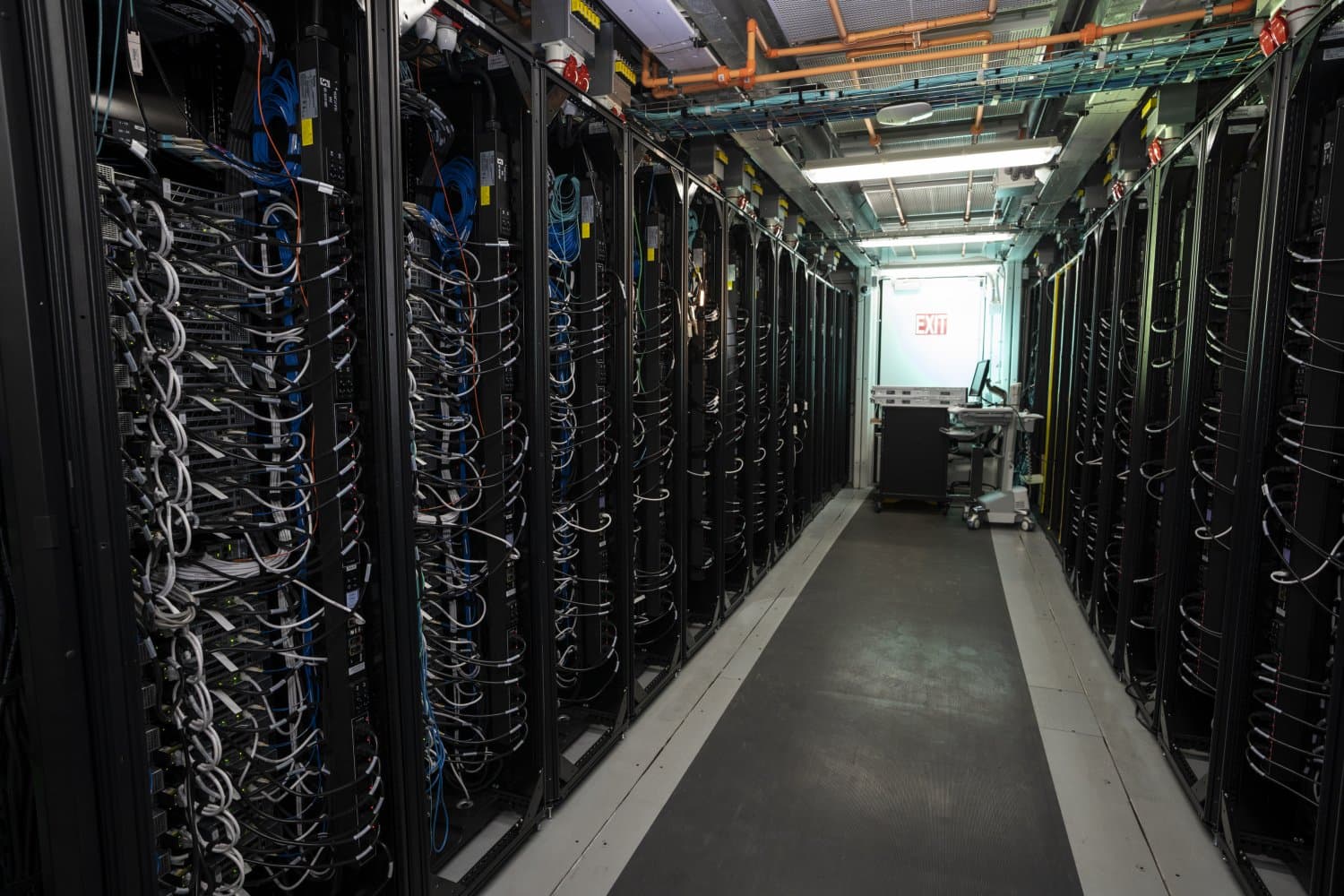
MIT Lincoln Laboratory supercomputing researchers have published an ongoing survey documenting the evolution of AI accelerator hardware, according to a report dated October 6, 2026. The survey tracks the latest AI accelerator systems with the stated purpose of keeping hardware knowledge current for Lincoln Laboratory staff and sponsors.
The survey is described as ongoing, meaning it is updated over time rather than issued as a one-time report. No specific accelerator names, benchmark figures, or named researchers are identified in the available source material.
Analysis
347 wordsOn October 6, 2026, MIT Lincoln Laboratory published an ongoing survey tracking the evolution of AI accelerator hardware. The effort comes from the laboratory's supercomputing researchers and is aimed at keeping Lincoln Laboratory staff and sponsors current on developments in AI hardware systems. Unlike a one-time report, the survey is designed to be updated continuously as the field changes, making it a living reference rather than a snapshot.
The significance here is less about any single finding and more about the institutional acknowledgment that AI hardware is moving fast enough to require dedicated, sustained tracking. Lincoln Laboratory is a federally funded research and development center affiliated with MIT and serving national security and defense-related missions, so a survey of this kind is oriented toward high-stakes applied use rather than academic curiosity. The pace of change in AI accelerators, from custom chips to new memory architectures, has made even recent hardware reviews obsolete quickly, and this effort is a direct response to that problem. What remains genuinely in dispute across the broader field is which hardware approaches will prove most durable and cost-effective, and whether the accelerator market will consolidate around a few dominant designs or remain fragmented.
No reactions from the Pro-AI, Anti-AI, or Middle Ground camps have been published in response to this story. Pro-AI voices would typically welcome an institutional effort like this as evidence that serious technical infrastructure is being built around AI, pointing to it as a sign of the field's maturation. Anti-AI voices would likely raise questions about who ultimately benefits from such hardware surveys, particularly given Lincoln Laboratory's defense ties, and whether accelerating military AI capability deserves scrutiny. A Middle Ground perspective would probably focus on the practical value of open technical documentation while calling for transparency about how such hardware assessments inform procurement or deployment decisions.
The survey's ongoing nature means there is no single release date to watch, but updates to the document and any public versions made available beyond Lincoln Laboratory's internal and sponsor audience would be worth monitoring as indicators of how the hardware landscape is shifting.
Where do you stand?
Add your take
0 reader votesSign in with Google to pick a side and post. Your vote moves the story's Doom / Boom score.