
AI developer builds open source clones targeting Adobe Creative Cloud
 2 sources · Ars Technica AI · Ars Technica
- Boom: Developer used Opus AI to build free, open source Adobe Creative Cloud alternatives
- Doom: The released tools are described as ambitious but not yet finished or feature-complete
- Neutral: Developer declared 'software is over,' positioning AI-generated apps against commercial software
The story in full
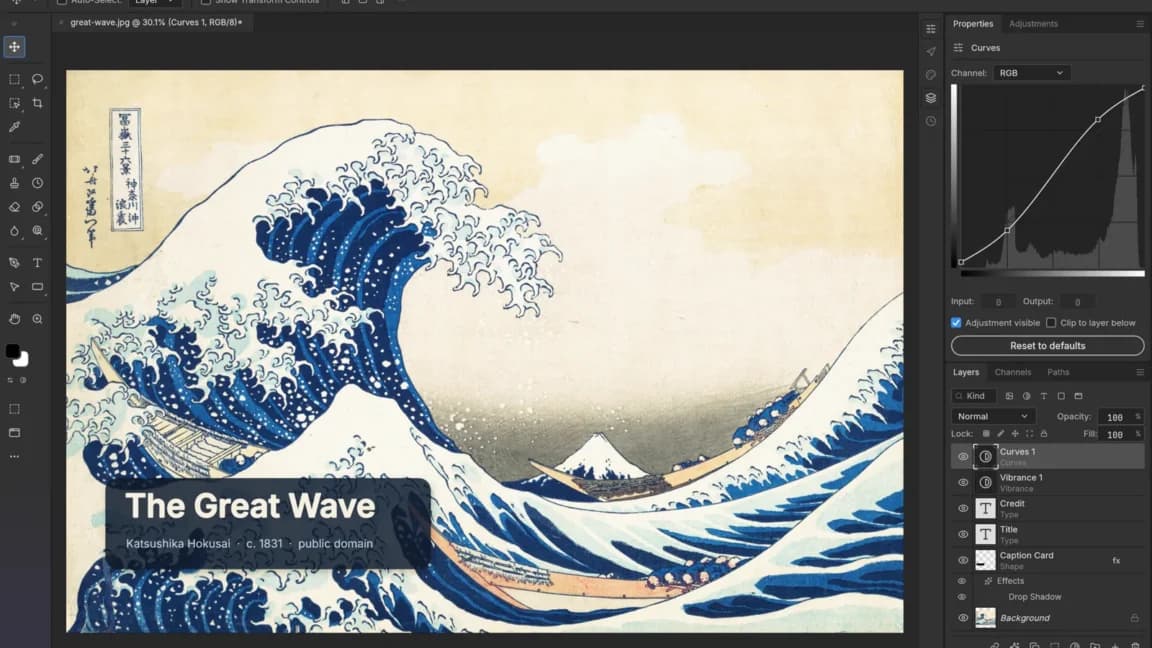
A developer using an AI tool called Opus released open source alternatives to Adobe Creative Cloud products, according to reporting from October 7, 2026. The tools are described as free but unfinished.
The developer has claimed that traditional software is becoming obsolete, framing the project as a direct challenge to Adobe's suite of creative applications. The clones are ambitious in scope but remain incomplete, leaving open questions about whether they can reach feature parity with commercial products.
Analysis
398 wordsOn October 7, 2026, a developer using an AI coding tool called Opus publicly released a set of open source alternatives to Adobe Creative Cloud applications. The project was framed as a direct challenge to Adobe's commercial suite, with the developer making the provocative claim that "software is over," suggesting that AI-generated tools can now substitute for years of professional software development. The released tools are free to use, but reporting from Ars Technica notes they are ambitious in scope and nowhere near finished or feature-complete.
The broader significance here is less about these specific tools and more about what the attempt represents. Adobe Creative Cloud is one of the most established and deeply entrenched software ecosystems in creative industries, with decades of accumulated features, workflows, and professional dependencies. The claim that a single developer using an AI coding assistant can meaningfully challenge that within any near-term timeframe is a strong one. What is genuinely in dispute is whether AI-assisted development has crossed a threshold where individual actors can compress timelines dramatically, or whether the gap between a working prototype and a production-grade tool remains as wide as ever. Feature parity with mature commercial software has historically taken years even for well-funded open source projects.
Pro-AI camps would typically treat this story as evidence that AI is democratizing software creation, lowering barriers so that motivated individuals can now take on incumbents that once required large engineering teams. Anti-AI camps would be expected to point to the unfinished state of the tools as confirmation that AI-assisted development produces shallow results, generating impressive-looking projects that cannot withstand professional scrutiny or replace the reliability users depend on. A middle ground position would likely acknowledge the genuine acceleration AI coding tools provide while cautioning that finishing, maintaining, and supporting software at scale remains a distinct and difficult challenge that prototypes do not resolve. None of these camps had published reactions in the available inputs, so these characterizations reflect typical patterns of argument rather than anything stated in response to this specific release.
The clearest thing to watch is whether the developer continues to iterate on the tools and whether any of the released clones reach a state where working professionals test them against real production tasks. Community uptake and contribution activity on the open source repository would offer an early signal of whether the project has staying power beyond its initial announcement.
Where do you stand?
Add your take
0 reader votesSign in with Google to pick a side and post. Your vote moves the story's Doom / Boom score.