
TwelveLabs releases Pegasus 1.6 with first-person video understanding
 1 source · The Robot Report
- Boom: TwelveLabs launched Pegasus 1.6 on October 6, 2026, targeting physical AI workflows
- Boom: Model supports first-person video understanding, a key input for robotics systems
- Boom: Pegasus 1.6 includes data labeling support aimed at robotics developers
The story in full
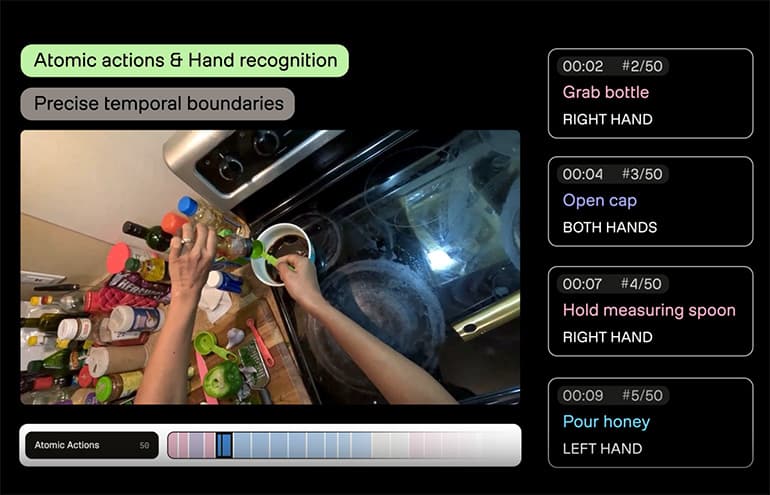
TwelveLabs released its Pegasus 1.6 model, announced on October 6, 2026, with capabilities focused on understanding first-person video for physical AI applications. The model is positioned to support workflows such as data labeling for robotics developers.
Pegasus 1.6 targets the robotics development pipeline, where labeled video data is a key bottleneck. TwelveLabs describes the model as bringing video understanding to physical AI, though no performance benchmarks, pricing details, or third-party assessments are included in available reporting.
Analysis
347 wordsOn October 6, 2026, TwelveLabs released Pegasus 1.6, a video understanding model designed specifically for first-person video input and aimed at robotics developers. The company describes the model as capable of supporting physical AI workflows, with a particular emphasis on data labeling, a step in the robotics development pipeline where human and machine effort is routinely expensive and slow. No independent benchmarks, pricing information, or third-party evaluations accompanied the announcement.
The significance here sits inside a quiet but consequential bottleneck in robotics: getting AI systems to understand video captured from the perspective of a robot or wearable device, rather than from a fixed overhead or third-person camera. First-person video carries different spatial cues and motion patterns, and models trained on general video data often handle it poorly. If Pegasus 1.6 performs as TwelveLabs claims, it could reduce the manual labor required to prepare training data for robotic systems, which would matter most to teams working on embodied AI and autonomous hardware. What remains genuinely in dispute is whether the model delivers meaningfully better results than existing alternatives, a question no available reporting yet answers.
With no published reactions from any camp at this stage, it is possible to sketch what each would typically bring to a story like this. Pro-AI voices would likely treat the release as a concrete sign that the infrastructure supporting physical AI is maturing faster than critics expect, pointing to specialized tooling as evidence of a deepening ecosystem. Anti-AI voices would probably raise concerns about accelerating automation in physical environments, questioning whether faster data labeling pipelines ultimately displace workers in warehouses, logistics, or manufacturing before safety and accountability standards have caught up. A middle-ground position would likely welcome domain-specific video understanding as a useful tool while calling for independent evaluation before any strong claims about real-world performance are accepted.
The clearest thing to watch next is whether third-party robotics developers publish results from using Pegasus 1.6 in actual labeling workflows, and whether TwelveLabs releases benchmark data that allows direct comparison with competing models. That evidence would move the conversation from announcement to assessment.
Where do you stand?
Add your take
0 reader votesSign in with Google to pick a side and post. Your vote moves the story's Doom / Boom score.
Sources
1 article from 1 outletRelated Splits
All stories →
Boston Dynamics names former Amazon AI exec Rohit Prasad as CEO
Boston Dynamics appointed Rohit Prasad as its new chief executive officer, the company announced on October 6, 2026. Prasad previously served as senior vice president and...
Overview AI releases OV Spark line of AI inspection cameras
Overview AI launched the OV Spark and OV Spark Pro AI inspection cameras on or around October 6, 2026. The products are available through Overview AI...

Teradyne invests in Bright Machines to advance AI hardware manufacturing
On October 5, 2026, Teradyne announced a strategic investment in Bright Machines, a manufacturing software and automation company. The two companies plan to integrate Teradyne's robotics...