
NVIDIA releases cuDSS library for GPU-accelerated engineering simulations
 2 sources · NVIDIA Blog
- Boom: NVIDIA cuDSS reached general availability on October 21, 2026
- Boom: cuDSS is a CUDA-X library that offloads direct sparse solvers to GPUs
- Boom: Target applications include chip design, aircraft, and industrial system simulations
- Neutral: NVIDIA cites growing simulation complexity as the driver for the release
The story in full
NVIDIA launched cuDSS in general availability on October 21, 2026. The software is part of NVIDIA's CUDA-X library collection and moves direct sparse solver workloads onto GPUs to speed up engineering and scientific simulations.
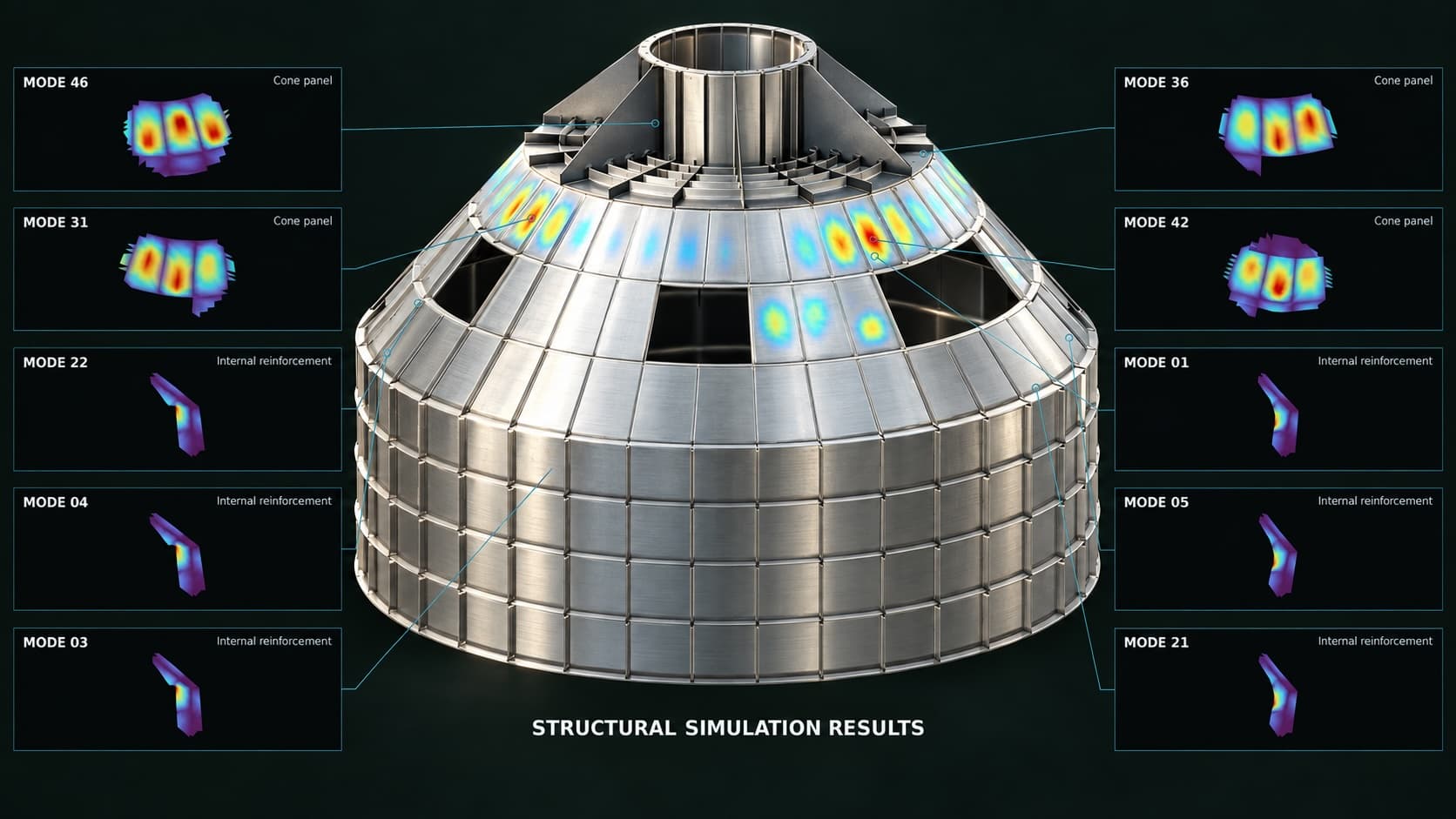
The library targets simulation workflows used in chip design, aircraft development, and industrial systems engineering. NVIDIA states that simulations are becoming more demanding as designs grow more complex, positioning cuDSS as a tool to handle that increased computational load.
Analysis
325 wordsOn October 21, 2026, NVIDIA released cuDSS as a generally available library, adding it to the CUDA-X collection of GPU-accelerated computing tools. The library is designed to move direct sparse solver workloads from CPUs onto GPUs, targeting engineering and scientific simulation pipelines used in areas such as chip design, aircraft development, and industrial systems engineering. NVIDIA's announcement framed the release around the growing computational demands of modern design work, where simulations must model increasingly complex systems before anything physical is built.
Direct sparse solvers sit at the core of many simulation workflows, handling the large systems of equations that arise when modeling physical phenomena. Offloading that work to GPUs can reduce the time engineers spend waiting for results, which in industries like semiconductor design or aerospace can translate into faster iteration cycles and lower development costs. The broader significance is that cuDSS positions NVIDIA's hardware deeper inside professional simulation pipelines that have historically relied on CPU-based solvers, extending the company's reach beyond machine learning into traditional scientific computing markets.
None of the three camps have published reactions to this specific release. The Pro-AI camp would typically welcome a tool like cuDSS as evidence that GPU acceleration is delivering practical, measurable benefits for demanding technical work beyond AI model training. The Anti-AI camp would likely focus on questions of vendor lock-in, since CUDA-X libraries tie simulation workflows tightly to NVIDIA hardware, raising concerns about long-term dependency and market concentration. The Middle Ground camp would generally acknowledge the performance benefits while asking whether the gains justify the infrastructure costs and the consolidation of critical scientific tools within a single vendor's ecosystem.
The argument will sharpen as independent benchmarks emerge from engineering firms and research institutions that test cuDSS against established CPU-based solvers on real workloads. Adoption figures from major simulation software vendors, and whether competing GPU makers respond with equivalent libraries, will be the clearest signals of how much this release actually shifts the simulation computing landscape.
Where do you stand?
Add your take
0 reader votesSign in with Google to pick a side and post. Your vote moves the story's Doom / Boom score.
Sources
2 articles from 1 outletRelated Splits
All stories →
Nvidia CEO addresses Europe's AI gap and data center tools
Nvidia's CEO spoke to Europe's AI sector on October 21, 2026, offering tools intended to speed up data center construction across the region. Four outlets reported...
Multiple vendors make AI announcements at NVIDIA GTC Berlin
At NVIDIA GTC Berlin on October 21, 2026, several companies made product announcements. Fleet announced it is bringing the full NVIDIA AI hardware suite under enterprise...
Supermicro, NVIDIA and Nokia team up on edge AI network solutions
Supermicro announced a collaboration with NVIDIA and Nokia on October 21, 2026, to bring NVIDIA Aerial RAN compute solutions to the network edge. The stated goal...