
Nvidia opens Vera Rubin architecture designs at OCP Summit
 3 sources · SDxCentral · NVIDIA Blog · SiliconANGLE
- Boom: Nvidia opened Vera Rubin rack and tray designs to the OCP ecosystem on October 12
- Neutral: Announcement made at OCP Global Summit in San Jose McEnery Convention Center
- Boom: Nvidia cited AI factory growth from megawatts to gigawatts as the driver for open standards
- Boom: New partnerships announced alongside the architecture opening, names not yet disclosed
The story in full
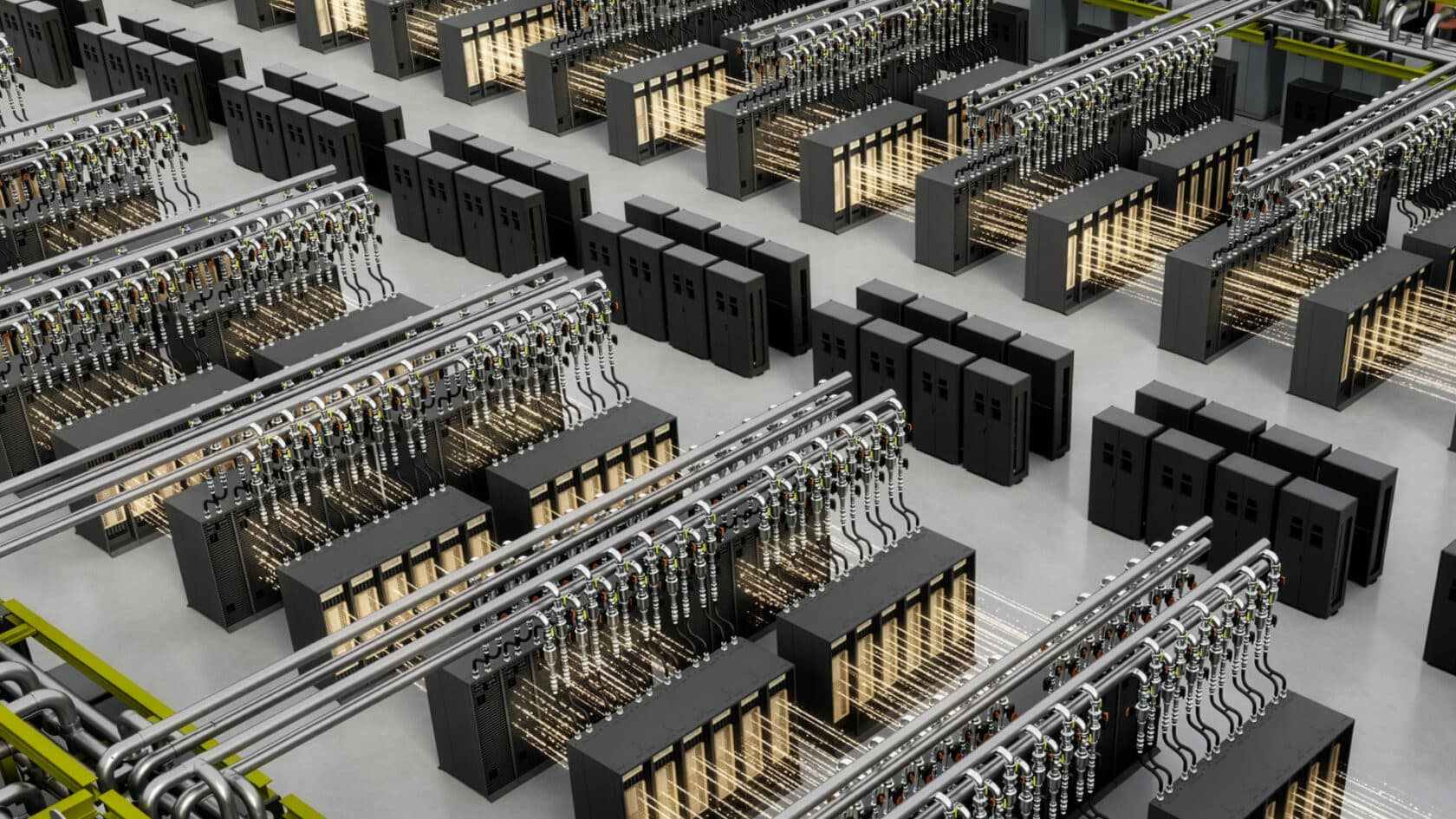
At the Open Compute Project Global Summit in San Jose on October 12, Nvidia announced it is opening its Vera Rubin architecture, including rack and tray designs, to the OCP ecosystem. The company also announced new partnerships aimed at scaling AI infrastructure globally, framing the move as a response to AI factories growing from megawatt-scale to gigawatt-scale deployments.
The disclosure is part of a broader industry push toward open standards for large AI infrastructure builds. Nvidia presented the Vera Rubin architecture contributions as a way to help partners build compatible systems more efficiently and reliably, though specific partner names and technical specifications were not detailed in available source material.
Analysis
375 wordsOn October 12, at the Open Compute Project Global Summit held at the San Jose McEnery Convention Center, Nvidia announced it is opening its Vera Rubin architecture, specifically its rack and tray designs, to the broader OCP ecosystem. The company framed the move as a direct response to the scaling demands of modern AI infrastructure, which it described as growing from megawatt-scale to gigawatt-scale deployments. Nvidia also announced new partnerships alongside the architecture contribution, though partner names and granular technical specifications have not been made public.
The significance of the announcement lies in what open standards mean for large-scale AI infrastructure buildouts. When a dominant hardware vendor like Nvidia contributes proprietary architectural designs to an open industry body like OCP, it lowers the barrier for third-party manufacturers and data center operators to build compatible systems without relying entirely on Nvidia's own supply chain. The shift from megawatt to gigawatt framing is not rhetorical decoration; it signals that the industry is planning for AI compute facilities that rival the power consumption of small cities, and interoperability at that scale becomes a logistical and engineering necessity rather than a preference. What remains genuinely in dispute is whether opening these designs meaningfully reduces vendor lock-in or simply extends Nvidia's architectural influence more deeply into the ecosystem under the banner of openness.
None of the three camps, Pro-AI, Anti-AI, or Middle Ground, have published reactions to this announcement yet. Typically, the Pro-AI camp would welcome this as evidence that AI infrastructure is maturing responsibly, with open collaboration accelerating deployment at scale. The Anti-AI camp would likely question whether gigawatt-scale AI factories represent a responsible use of energy resources, and whether open standards simply make it easier to build infrastructure that concentrates power in the hands of a few large operators. A Middle Ground position would probably acknowledge the practical benefits of interoperability while calling for scrutiny of the environmental and competitive implications of infrastructure at this scale.
The details that would sharpen the picture considerably are the names of the new partners Nvidia announced and the specific technical scope of what has been contributed to OCP. Those disclosures, if and when they arrive, would clarify whether this is a broad architectural opening or a more limited gesture toward compatibility.
Where do you stand?
Add your take
0 reader votesSign in with Google to pick a side and post. Your vote moves the story's Doom / Boom score.
Sources
4 articles from 3 outlets- SDxCentralNvidia opens up Vera Rubin rack and tray designs to OCP
- NVIDIA BlogAmid Ecosystem Adoption, NVIDIA Opens Vera Rubin Architecture to Help Scale AI Factories Worldwide
- NVIDIA BlogOCP Global Summit: Amid Ecosystem Adoption, NVIDIA Opens Vera Rubin Architecture to Help Scale AI Factories Worldwide
- SiliconANGLENvidia tackles AI factory scaling bottlenecks with open rack designs and networking advances
Related Splits
All stories →
Nvidia and Cisco announce USFP optical module for AI data centers
On October 12, 2026, Nvidia and Cisco jointly announced the USFP, a new pluggable optics form factor designed for AI data centers and AI factories. The...
Nvidia plans investment in AI inference chip startup d-Matrix
Nvidia is reportedly planning an investment in d-Matrix, an AI inference chip developer, at a valuation of $5 billion. Multiple outlets reported the deal between October...

Microsoft announces third-generation Maia 300 AI inference chip
Microsoft announced its Maia 300 chip on October 12, 2026, describing it as the third-generation version of its in-house AI silicon and the intended "primary AI...