
Nvidia highlights AI tools aimed at breast cancer screening gaps
 2 sources · NVIDIA Blog
- Boom: Nvidia outlines AI applications across breast cancer screening, radiology, and treatment planning
- Doom: Radiologists are handling more mammograms while the workforce shrinks, per the post
- Doom: Diagnostic tests informing treatment can currently take weeks to return results
- Doom: A majority of US women over 40 skip the recommended annual mammogram screening
- Neutral: Nvidia published the piece on its own blog, giving it a commercial promotional context
The story in full
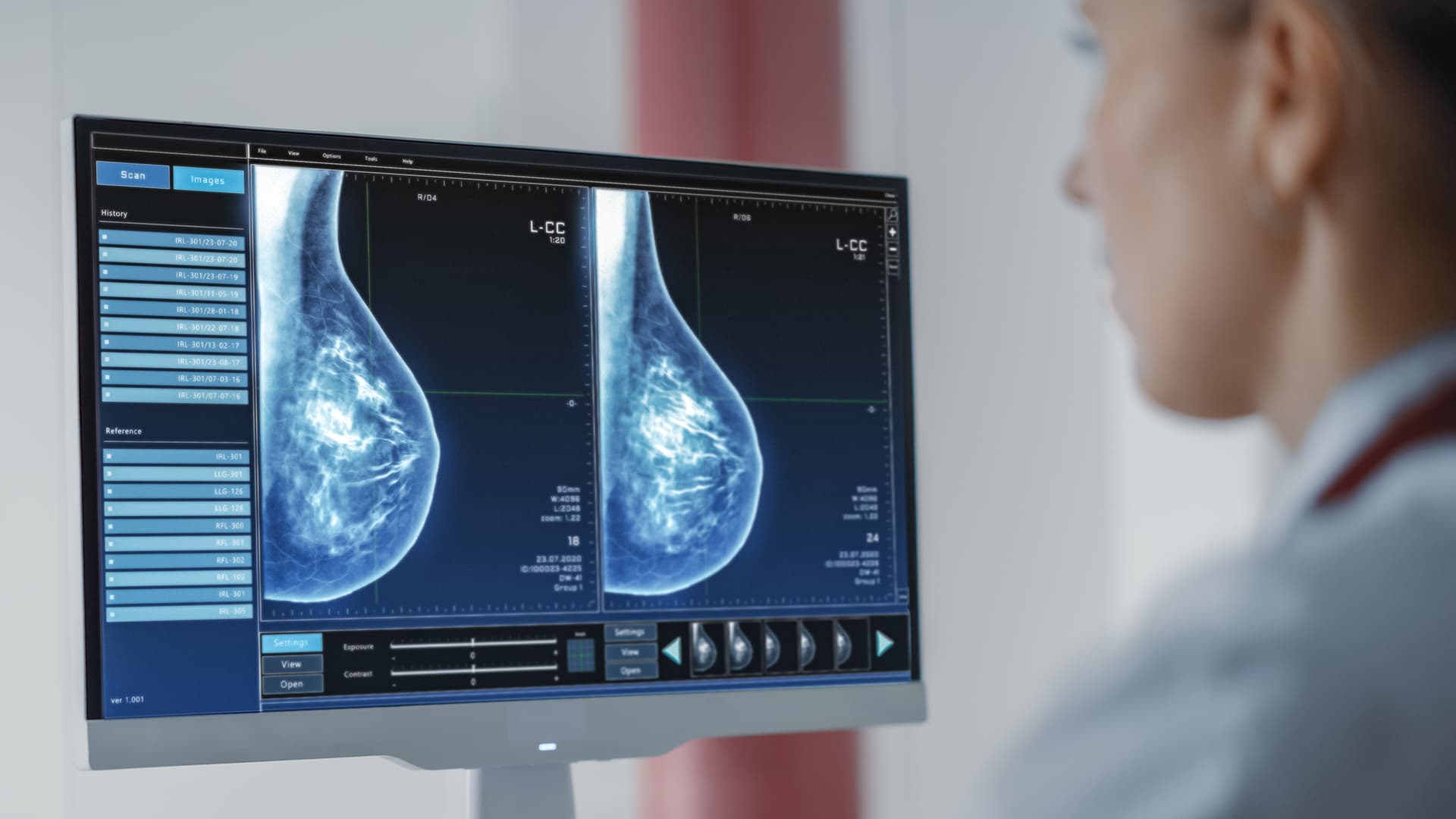
Nvidia published a blog post on October 5, 2025, describing how AI is being applied to breast cancer care in the United States. The post identifies three specific problems: a majority of women over 40 skipping recommended annual screenings, radiologists reading more mammograms with a shrinking workforce, and diagnostic tests that can take weeks to return results after a diagnosis is made.
The post frames AI as a potential tool to address each of these gaps, from screening adherence to radiology workload and treatment planning timelines. Nvidia is the author and publisher of the piece, making it a promotional narrative from a company with a direct commercial interest in AI adoption in healthcare.
Analysis
376 wordsOn October 5, 2025, Nvidia published a blog post on its own platform outlining how AI tools could address what it describes as three critical failures in breast cancer care in the United States. The post identifies a majority of American women over 40 skipping the recommended annual mammogram, a radiologist workforce that is shrinking while scan volumes grow, and a diagnostic testing process that can take weeks to return results after an initial diagnosis. Nvidia frames AI as a potential remedy across all three of these stages, from improving screening adherence to supporting radiologists and accelerating treatment planning timelines.
The story matters because breast cancer is the most commonly diagnosed cancer among American women, and the gaps Nvidia describes are real clinical problems that health systems have struggled to address through conventional means. What makes this more than a routine product announcement is the combination of a genuine public health need with an explicit commercial interest. Nvidia sells the chips and infrastructure that underpin most large-scale AI deployments, so its advocacy for AI adoption in healthcare is inseparable from its business position. The core dispute is whether AI tools can reliably close these gaps in practice, and whether a blog post from an interested party is the right vehicle for making that case to the public.
No specific reactions from the Pro-AI, Anti-AI, or Middle Ground camps have been published in response to this piece. Typically, Pro-AI voices would welcome the framing, pointing to published studies showing AI-assisted mammography catching cancers that radiologists miss and arguing that workforce shortages make automation not just useful but necessary. Anti-AI critics would likely challenge the promotional format, questioning whether Nvidia-backed tools have been validated at scale in diverse patient populations and raising concerns about liability when AI influences a cancer diagnosis. Middle Ground observers would probably call for peer-reviewed evidence and independent audits before hospitals integrate these tools into standard care pathways.
The arguments on all sides will sharpen as specific AI products move through FDA clearance processes and as clinical trial results emerge from hospitals piloting these tools. Any published outcome data from independent radiology studies, or regulatory decisions on AI-assisted mammography platforms, would provide a more grounded basis for evaluating the claims Nvidia is currently making.
Where do you stand?
Add your take
0 reader votesSign in with Google to pick a side and post. Your vote moves the story's Doom / Boom score.