
MIT engineers stabilize RNA vaccines to withstand high temperatures
 2 sources · Google News · MIT News: AI
- Boom: MIT engineers stabilized lipid nanoparticles in RNA vaccines using AI-assisted formulation
- Boom: Heat-resistant formulation could enable distribution without cold-chain storage requirements
- Neutral: Research was published September 28, 2026, covered by MIT News and News-Medical
The story in full
MIT engineers developed a method to stabilize lipid nanoparticles used to deliver RNA vaccines, allowing the vaccines to remain viable at higher temperatures. The work was reported on September 28, 2026.
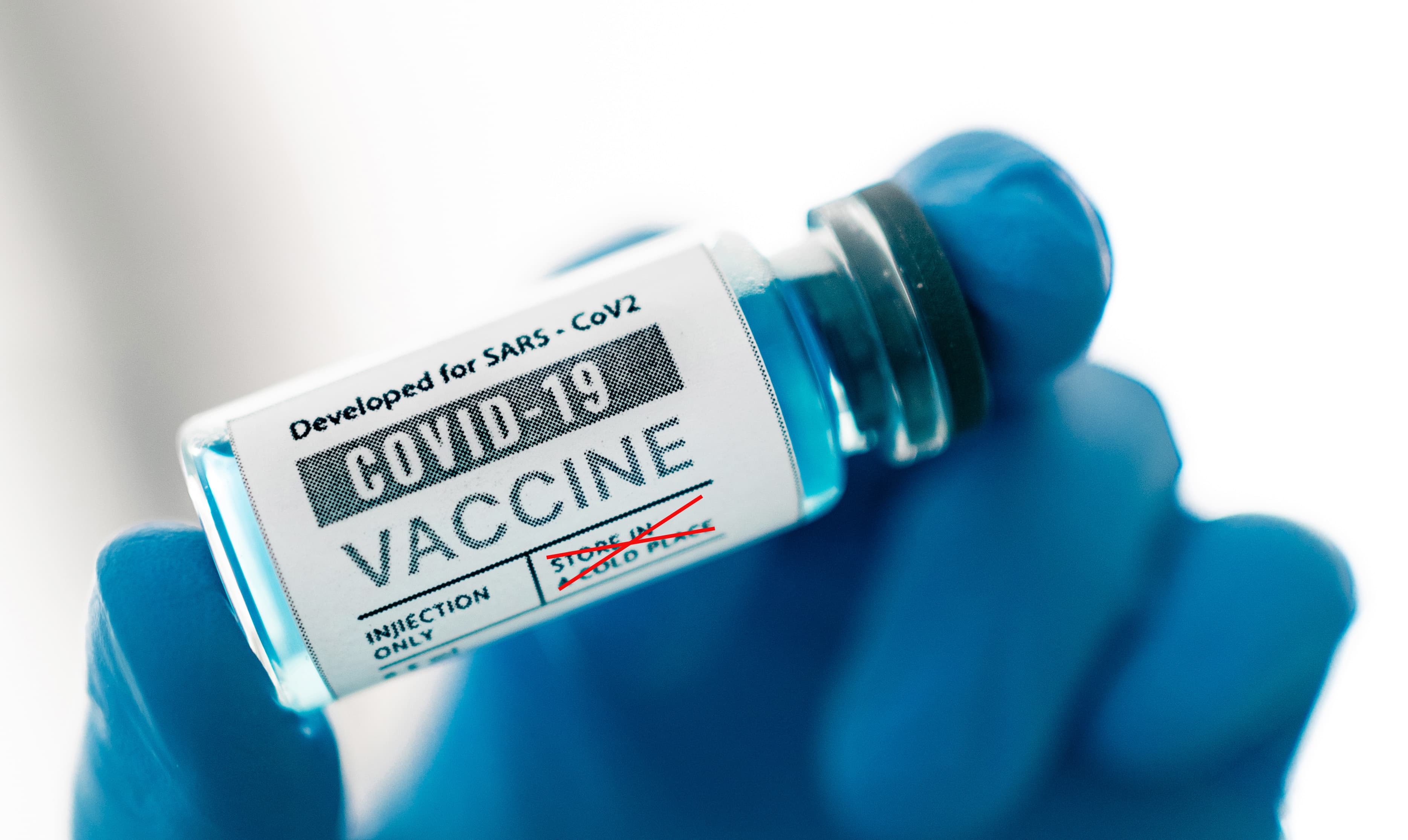
Lipid nanoparticles are the delivery mechanism for RNA vaccines, including those developed during the COVID-19 pandemic, and cold-chain storage requirements have limited their distribution in low-resource settings. The MIT team applied artificial intelligence to the formulation process, according to reporting by News-Medical.
Analysis
359 wordsOn September 28, 2026, MIT engineers announced a method for stabilizing the lipid nanoparticles used to deliver RNA vaccines, allowing those vaccines to remain viable at temperatures that would ordinarily degrade them. The research was published and covered the same day by MIT News and News-Medical. The formulation work incorporated AI-assisted design as part of the development process, though the specific parameters of the temperature tolerances and the AI methodology have not been detailed in the available reporting.
The practical stakes are significant. RNA vaccines, including those used during the COVID-19 pandemic, depend on lipid nanoparticles to protect fragile messenger RNA until it reaches cells. Those nanoparticles have historically required strict cold-chain storage, meaning refrigeration or freezing throughout transport and storage. That requirement has been a concrete barrier to vaccine distribution in low-resource settings, particularly in regions of Africa, South Asia, and elsewhere where reliable cold storage is difficult to maintain at scale. A formulation that relaxes those requirements without compromising efficacy would represent a meaningful logistical shift for global health programs. What remains genuinely in dispute is how much heat the new formulation can tolerate, over what duration, and whether the approach will translate from laboratory conditions to field deployment.
Because no reactions from any camp have been published yet, what each would typically argue can only be anticipated. The Pro-AI camp would most likely highlight this as a concrete example of AI accelerating beneficial scientific discovery, pointing to the use of AI-assisted formulation as central to achieving a result that conventional methods had not. The Anti-AI camp would typically scrutinize how much of the advance is genuinely attributable to AI versus conventional materials science, and might raise questions about overstating the technology's role in a humanitarian framing. The Middle Ground camp would generally acknowledge the promising application while calling for peer review, independent replication, and transparent reporting of where AI added value and where it did not.
The clearest next developments to watch are peer-reviewed publication of the full methodology, any announcement of field trials or partnerships with global health organizations, and independent assessments of the formulation's stability across a range of real-world temperature and humidity conditions.
Where do you stand?
Add your take
0 reader votesSign in with Google to pick a side and post. Your vote moves the story's Doom / Boom score.