
MIT and Boston Children's Hospital build symmetry-aware fetal scan AI
 2 sources · MIT News: AI · MIT News
- Boom: AI model adjusts prenatal scans in real time to compensate for fetal movement
- Boom: System uses anatomical symmetry principles to improve imaging reliability
- Neutral: Tool developed jointly by MIT and Boston Children's Hospital, announced October 19, 2026
- Boom: Researchers say the model could reduce repeat hospital visits for expectant families
The story in full
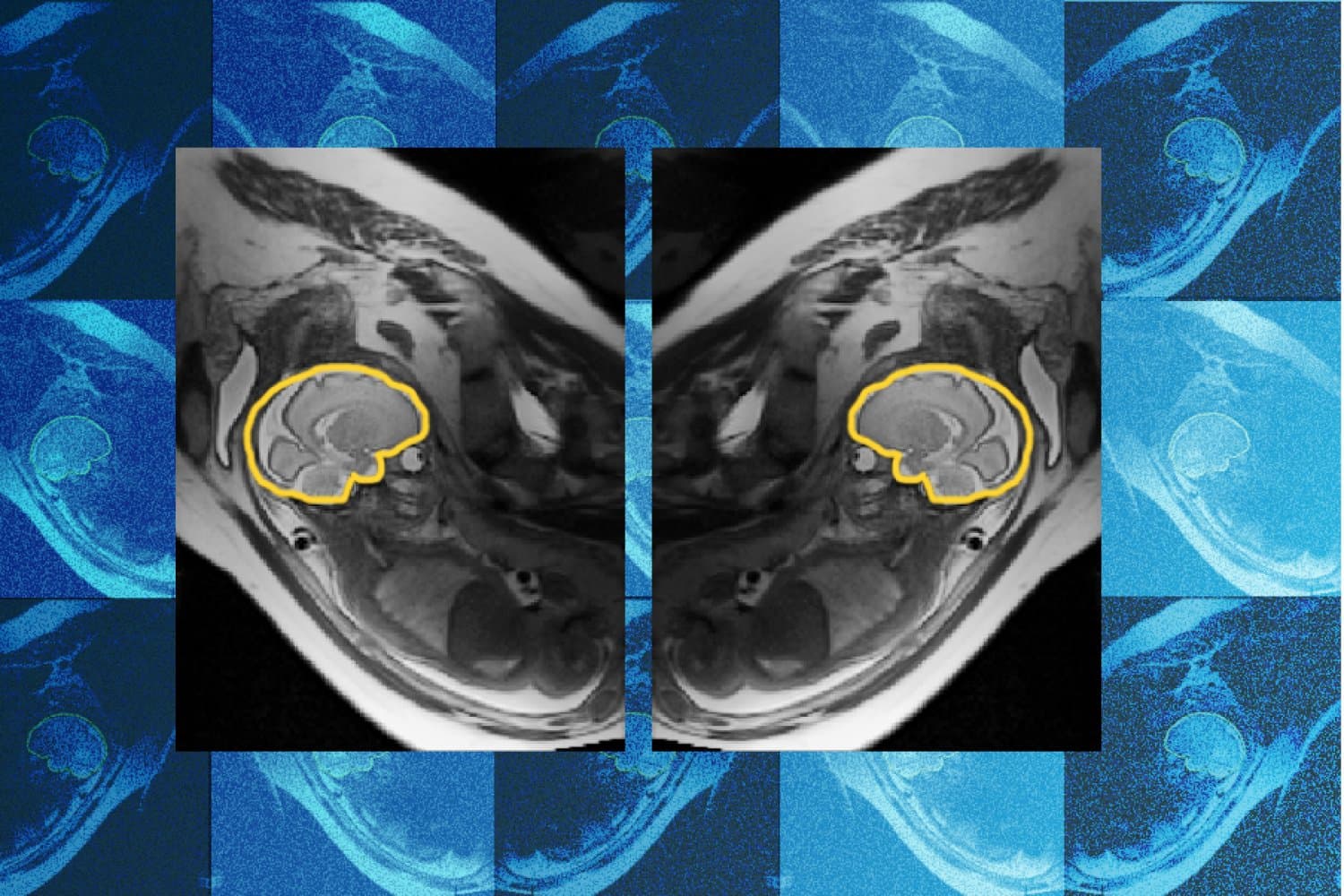
Researchers at MIT and Boston Children's Hospital developed an AI model designed to improve prenatal diagnosis, announced on October 19, 2026. The model adjusts ultrasound scans in real time to account for fetal movement by incorporating knowledge of anatomical symmetry.
The system is aimed at reducing the need for repeat hospital visits by producing more reliable scans despite the unpredictable motion of a fetus during imaging. The institutions have not disclosed peer-review status, clinical trial scale, or a timeline for deployment.
Analysis
344 wordsOn October 19, 2026, researchers at MIT and Boston Children's Hospital announced an AI model built to improve the reliability of prenatal ultrasound scans. The system works by incorporating knowledge of anatomical symmetry, allowing it to adjust imaging in real time as a fetus moves during a scan. The stated goal is to produce usable diagnostic images without requiring expectant parents to return for additional appointments. No peer-review status, clinical trial scale, or deployment timeline has been disclosed alongside the announcement.
The context that gives this story weight is the persistent difficulty of fetal imaging. Fetuses move unpredictably, which routinely degrades scan quality and forces repeat visits that add cost, anxiety, and logistical burden for families. If a symmetry-aware model can compensate for that motion reliably, it would address a practical bottleneck in prenatal care rather than an edge case. What remains genuinely in dispute is how well the system performs across the diversity of real clinical conditions, including different gestational ages, body types, and equipment, none of which the announcement addresses in specific terms.
Because no reactions from the Pro-AI, Anti-AI, or Middle Ground camps have been published yet, what each would typically argue can only be anticipated. A Pro-AI position would likely highlight the concrete patient benefit of fewer repeat visits and frame symmetry-awareness as a meaningful technical advance over prior motion-compensation approaches. An Anti-AI position would probably focus on the absence of peer review and clinical trial data, arguing that a research announcement from affiliated institutions is insufficient evidence to draw conclusions about safety or effectiveness in deployment. A Middle Ground position would likely acknowledge the genuine clinical need the tool addresses while pressing for independent validation before any broader rollout.
The details most worth watching are whether the researchers publish peer-reviewed findings, what population size and demographic range any clinical trial covers, and whether Boston Children's Hospital announces a timeline for piloting the system in routine prenatal care. Those disclosures would allow a more grounded assessment of whether the tool holds up outside the conditions under which it was developed.
Where do you stand?
Add your take
0 reader votesSign in with Google to pick a side and post. Your vote moves the story's Doom / Boom score.