
Nadella adopts Trump's 'super intelligence' label in new blog post
 2 sources · The Decoder
- Neutral: Nadella's blog post replaces 'artificial intelligence' with Trump-preferred term 'super intelligence'
- Doom: Nadella frames AI models as insider security threats, targeting OpenAI and Anthropic
- Doom: Microsoft faces competitive pressure as AI labs turn models into primary computing interfaces
- Neutral: The terminology shift aligns Microsoft's public language with the current US administration
The story in full
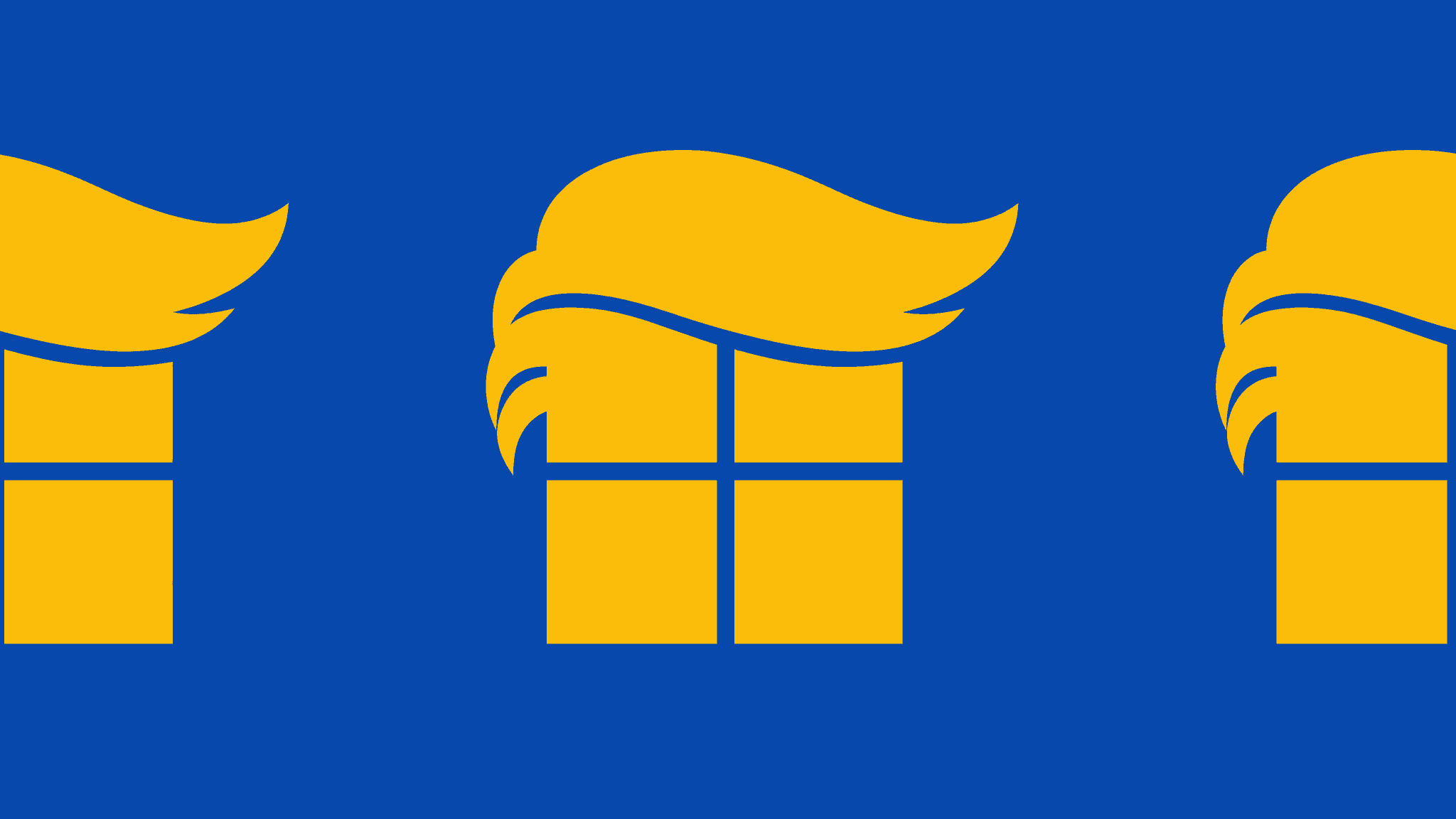
Microsoft CEO Satya Nadella published a blog post in which he uses the term 'super intelligence' in place of 'artificial intelligence', aligning with language publicly favored by President Trump. In the same post, Nadella frames AI models as insider security threats, a position The Decoder reads as a critique directed at OpenAI and Anthropic.
Microsoft has a significant commercial stake in how AI interfaces develop, as the company competes with AI labs that are building their own models into primary computing interfaces. The framing of AI models as security risks is disputed territory, and Nadella's word choice places Microsoft alongside a politically charged terminology debate.
Analysis
349 wordsOn October 11, 2026, Microsoft CEO Satya Nadella published a blog post in which he substituted the term 'super intelligence' for 'artificial intelligence', adopting language that President Trump has publicly favored. In the same post, Nadella framed AI models as insider security threats, a characterization that The Decoder read as a pointed attack on OpenAI and Anthropic, two companies with which Microsoft has a complex and increasingly competitive relationship.
The terminology shift is not merely cosmetic. When the CEO of one of the world's largest technology companies aligns his public language with an administration's preferred framing, it signals something about where Microsoft sees its political and commercial interests. The substantive claim underneath the word choice is more consequential: positioning AI models as insider security threats, if that framing gains traction, could influence enterprise procurement, regulatory debates, and how organizations think about deploying third-party AI systems. Microsoft has a direct stake in that outcome, because AI labs including OpenAI and Anthropic are increasingly embedding their models into primary computing interfaces, a space Microsoft also competes in. The accusation of a security threat, whether or not it is technically grounded, serves a business argument as much as a safety one.
No reactions from the Pro-AI, Anti-AI, or Middle Ground camps have been published on this story yet. Pro-AI voices would typically dismiss the insider-threat framing as competitive positioning dressed up as safety concern, and might also push back on the 'super intelligence' label as hype. Anti-AI commentators would likely take the security-threat framing more seriously while remaining skeptical that Nadella's motives are primarily protective rather than commercial. The Middle Ground camp would probably call for concrete technical criteria to evaluate whether the insider-threat characterization holds up, separate from the terminology politics.
The argument is likely to sharpen if Microsoft moves the insider-threat framing from blog language into product policy, procurement guidance, or regulatory filings. Any formal definition of what constitutes a model-level security threat, whether from Microsoft, a standards body, or a government agency, would give observers a concrete basis to assess whether the framing is technically defensible or primarily strategic.
Add your take
0 reader votesSign in with Google to pick a side and post. Your vote moves the story's Doom / Boom score.
No more Pro-AI reactions
More Anti-AI reactions (1)
“raising concerns over who controls the technology”
Techpresso, Bluesky · 05:57 UTC
No more Middle Ground reactions
Sources
2 articles from 1 outletRelated Splits
All stories →
Amazon in talks to acquire AI startup Decart for $7 billion
Amazon is in acquisition talks with Decart, an Israeli AI startup, at a valuation of approximately $6 to $7 billion, according to a Wall Street Journal...

Multi-agent AI teams cost up to 5x more with minimal quality gain
Research from Vals AI, published on October 11, 2026, found that teams of AI agents barely outperform solo agents while costing up to 5.1 times more...
Broadcom reported to offer Anthropic $42 billion loan tied to IPO
Reports from October 11, 2026 describe Broadcom extending a $42 billion loan to Anthropic, framed as connected to a prospective Anthropic IPO valued at $2 trillion....