
Developer uses Opus AI to build free open source Adobe alternatives
 3 sources · Creative Bloq · Ars Technica AI · Ars Technica
- Boom: Developer released free, open source AI-built clones of Adobe Creative Cloud apps
- Boom: Project built using an AI system identified as Opus
- Doom: Clones described as ambitious but not yet finished at release
- Neutral: Developer declared "software is over" as the project's guiding premise
The story in full
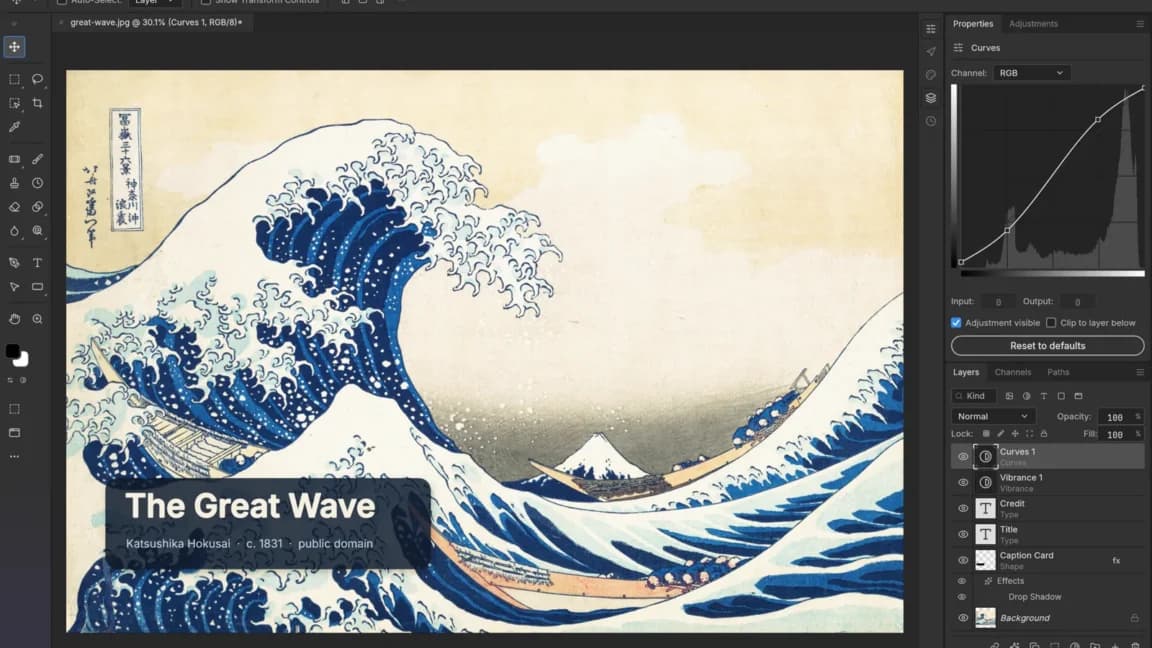
A developer used an AI system called Opus to build open source clones of Adobe Creative Cloud applications and released them for free, as reported on October 7 and 8, 2026. The project is described as ambitious but unfinished at the time of release.
The effort targets Adobe's Creative Cloud suite, which is a widely used set of paid creative software tools. The developer framed the project with the claim that "software is over," suggesting AI-built alternatives can replace commercial products, though the clones are noted as not yet complete.
Analysis
355 wordsOn October 7 and 8, 2026, a developer released free, open source clones of Adobe Creative Cloud applications built using an AI system called Opus. The project was published alongside the developer's declaration that "software is over," a phrase framing the work as evidence that AI can now produce functional replacements for commercial software. Coverage from Ars Technica and Creative Bloq both noted the same central tension: the clones are described as ambitious in scope but unfinished at the time of release.
Adobe Creative Cloud is one of the most entrenched paid software suites in professional creative work, covering tools for image editing, video, illustration, and more. Subscription costs have made it a recurring point of frustration for independent creators, students, and smaller studios. A free, open source alternative built rapidly with AI assistance would represent a meaningful shift in how creative software gets made and distributed, if it reached a usable state. The core dispute here is not just about one project but about what it signals: whether AI-assisted development has crossed a threshold where a single developer can plausibly replicate years of commercial software engineering, and what "plausibly" actually means in practice when the result is not yet complete.
No reactions from the Pro-AI, Anti-AI, or Middle Ground camps have been published yet. The Pro-AI camp would typically treat this story as confirmation that AI development tools are collapsing the cost and time required to build serious software, democratizing access in the process. The Anti-AI camp would likely point to the unfinished state of the clones as evidence that the "software is over" framing overstates what AI can currently deliver, and may raise questions about code quality, maintainability, and whether these tools can realistically serve professional workflows. The Middle Ground camp would probably acknowledge the demonstration as genuinely impressive while cautioning that the gap between an ambitious release and a production-ready tool remains significant.
The argument will sharpen as the project develops further. Whether the clones reach a state that working designers find genuinely usable, and how quickly that happens, will be the clearest test of the claims the developer made at launch.
Where do you stand?
Add your take
0 reader votesSign in with Google to pick a side and post. Your vote moves the story's Doom / Boom score.