
Designer of Meta's new AI logo faced public backlash
 2 sources · Wired AI · WIRED
- Doom: Jessica Hische received intense hate after her Meta AI logo design became public
- Doom: Hische said she anticipated some backlash from working with Meta but not the scale
- Neutral: Hische designed the new logo specifically for Meta's AI products
The story in full
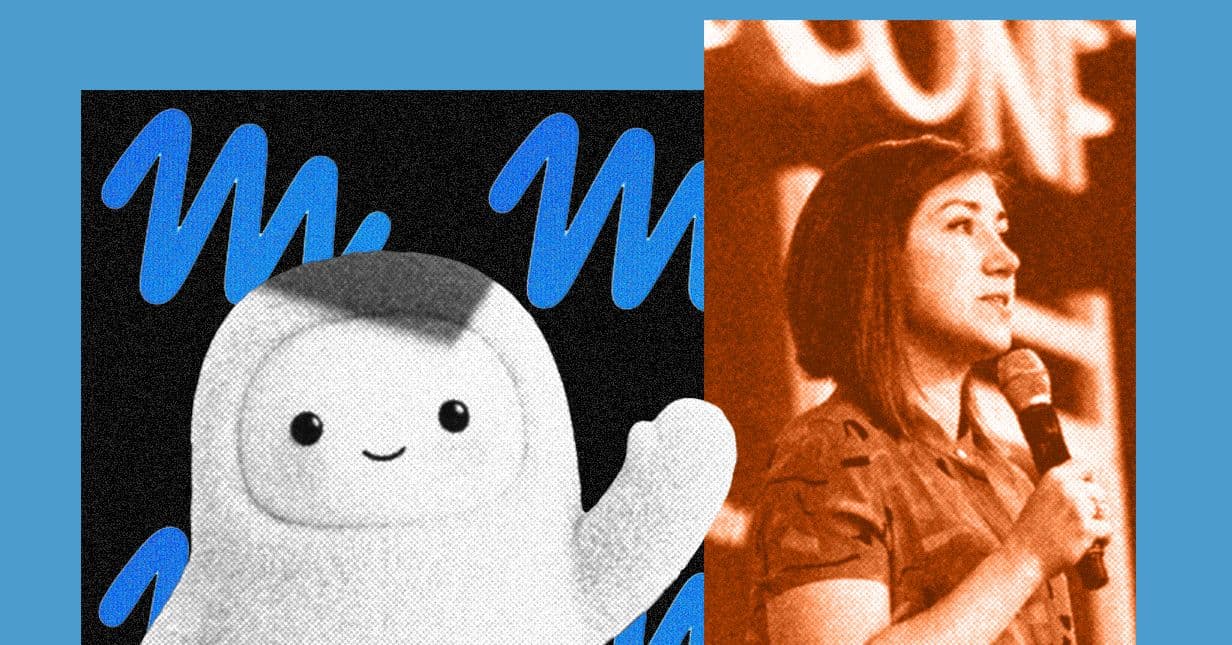
Jessica Hische, a designer, created the new logo for Meta's AI products, according to a Wired report published on October 8, 2026. After the logo was revealed, she received significant negative public reaction directed at her personally.
Hische had anticipated some criticism given Meta's public reputation but stated she did not expect the intensity of the response. The article centers on the gap between her expectations and the hostility she encountered after the work became public.
Analysis
351 wordsOn October 8, 2026, Wired reported on Jessica Hische, the designer who created the new logo for Meta's AI products. After the logo became public, Hische faced an intense wave of negative reaction directed at her personally. She told Wired that she had expected some criticism given Meta's reputation among certain audiences, but said the scale and hostility of the response exceeded what she had prepared for.
The story sits at the intersection of several ongoing tensions: public distrust of Meta as a company, broader anxieties about the AI industry, and the position of individual creative workers who take on contracts with large technology firms. What is genuinely in dispute is whether backlash directed at a designer for client work is a proportionate form of accountability or a misdirected reaction that punishes an individual for decisions made far above her level. Hische's case raises questions about where responsibility for a company's choices actually lands, and whether public anger at AI and at Meta is finding outlets in people who are easier targets than the executives who set strategy.
None of the three camps, Pro-AI, Anti-AI, or Middle Ground, have published reactions to this specific story yet. Pro-AI commentators would typically argue that hostility toward designers who work with AI-adjacent companies reflects irrational moral panic and discourages skilled professionals from participating in a legitimate industry. Anti-AI voices would likely contend that taking work from Meta, a company they view as a central actor in harmful AI deployment, carries reputational consequences that come with the territory. The Middle Ground camp would probably frame the episode as evidence that public discourse around AI has become so charged that collateral frustration is landing on people who have little actual power over the outcomes critics care about.
The argument is unlikely to be settled by a single event, but watching how Hische responds publicly over the coming weeks, and whether other designers speak out about similar pressures when considering work with AI-linked companies, would give a clearer picture of how this kind of social pressure is shaping the market for creative talent in the AI sector.
Where do you stand?
Add your take
0 reader votesSign in with Google to pick a side and post. Your vote moves the story's Doom / Boom score.
Sources
2 articles from 2 outletsRelated Splits
All stories →
Meta Muse, OpenAI Dots and xAI Grok bot launch for consumers
Meta's Muse, OpenAI's Dots, and xAI's Grok bot have launched as consumer-friendly AI agents, bringing automated personal assistance to a mass audience. The Verge senior AI...

Amazon blocks AI shopping agents, Paul Graham sees startup opportunity
Amazon has moved to block AI shopping agents, including Meta's Muse and Perplexity's Comet, from operating on its platform, as reported on October 8, 2026. Y...

ICANN receives applications for .agent and .agi top-level domains
The Internet Corporation for Assigned Names and Numbers, known as ICANN, announced it has received 1,615 applications from 481 different applicants for new top-level domains, the...