
Avenda Health adds intraoperative mode to its Unfold AI platform
 2 sources · The Robot Report
- Boom: Avenda Health launched Surgery Mode within its Unfold AI platform on October 20, 2026
- Boom: Surgery Mode provides patient-specific 3D cancer anatomy maps during robotic prostate procedures
- Boom: The expansion moves Unfold AI from pre-operative planning into live intraoperative support
The story in full
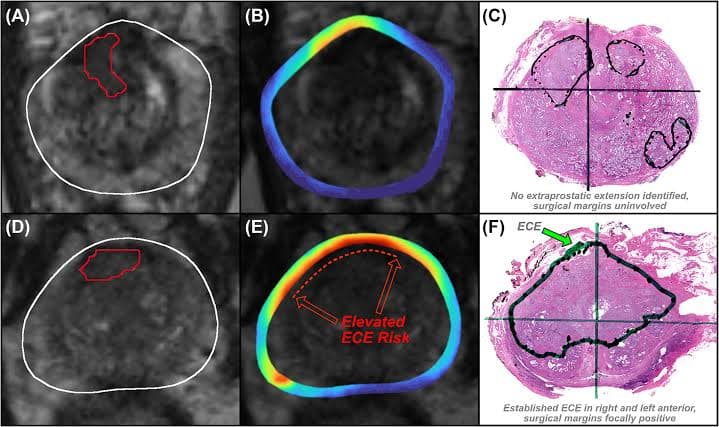
Avenda Health expanded its Unfold AI platform with a Surgery Mode designed to support care during robotic prostate cancer procedures, announced on October 20, 2026. The new mode generates patient-specific 3D maps intended to give surgeons an enhanced view of cancer anatomy during operations.
Unfold AI previously focused on pre-operative planning for prostate cancer. The Surgery Mode extends that capability into the operating room, targeting robotic-assisted procedures specifically.
Analysis
345 wordsOn October 20, 2026, Avenda Health announced the addition of a Surgery Mode to its existing Unfold AI platform, which had previously been limited to pre-operative planning for prostate cancer treatment. The new mode generates patient-specific 3D maps of cancer anatomy intended to guide surgeons in real time during robotic-assisted prostate procedures. The announcement marks a concrete expansion of the platform's scope, moving it from a tool used before patients enter the operating room into one that is active during the procedure itself.
The significance here lies in the clinical boundary being crossed. Pre-operative AI planning tools are relatively established; intraoperative AI guidance is a more contested and technically demanding space, where the consequences of error are immediate. Robotic prostate surgery already involves sophisticated instrumentation, and layering AI-generated anatomical maps into that environment raises questions about how surgeons integrate that information, how the maps are validated against real tissue, and what happens when the model's representation diverges from what a surgeon actually encounters. None of those questions are resolved by the announcement alone, and they represent the genuine points of dispute surrounding this kind of tool.
No published reactions from the Pro-AI, Anti-AI or Middle Ground camps have emerged in response to this specific announcement. The Pro-AI camp would typically welcome this as evidence that AI is moving beyond narrow diagnostic roles into active clinical utility, improving precision and reducing reliance on unaided surgical judgment. The Anti-AI camp would likely raise concerns about over-reliance on model outputs during high-stakes procedures, particularly if the 3D maps carry any inaccuracy that a surgeon accepts without sufficient scrutiny. The Middle Ground camp would probably argue that the tool has genuine promise but that rigorous prospective data on surgical outcomes is needed before broader adoption is warranted.
The most important things to watch are any peer-reviewed outcome studies tied to Surgery Mode's use, regulatory filings or clearances that govern its intraoperative application, and whether hospitals or surgical centers announce formal adoption. Those developments would give a clearer picture of whether the platform performs as intended under real operating conditions.
Where do you stand?
Add your take
0 reader votesSign in with Google to pick a side and post. Your vote moves the story's Doom / Boom score.
Sources
2 articles from 1 outletRelated Splits
All stories →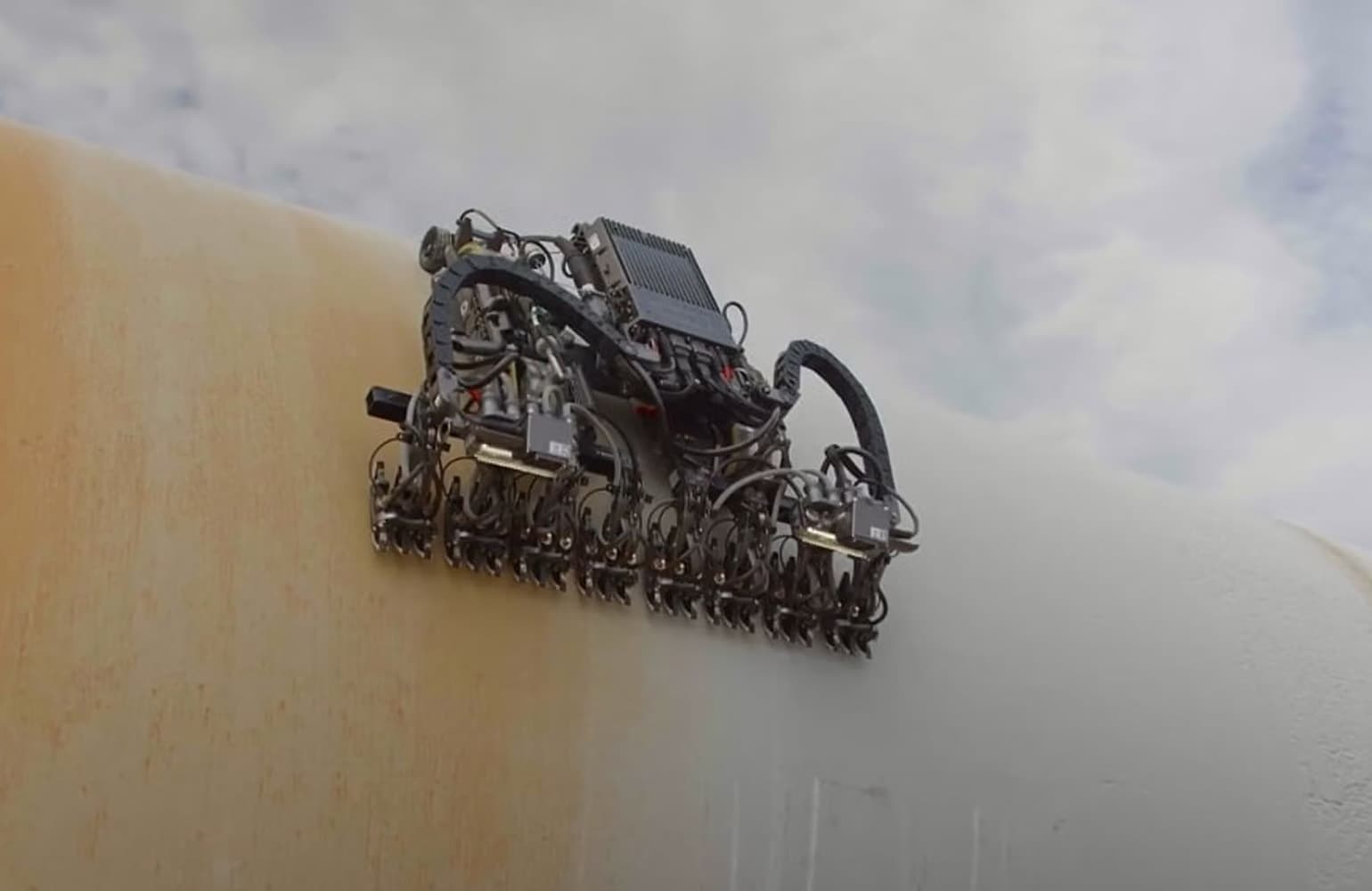
Gecko Robotics wins $300M U.S. Navy contract
Gecko Robotics secured a $300 million contract with the U.S. Navy, announced October 20, 2026. The company stated the deal signals Pentagon confidence in its capabilities...

Kodama raises $7M to automate forestry and logging equipment
Kodama, a robotics company focused on forestry, raised $7 million to develop automation for logging equipment. The company's approach begins with teleoperation and uses that phase...

MassRobotics opens applications for healthcare robotics startup program
MassRobotics has opened applications for its Healthcare Robotics Startup Catalyst Program, according to a report from October 16, 2026. The cohort is scheduled to run from...