
Analysts flag neocloud risk for Nvidia, eye Broadcom opportunity
 3 sources · CNBC · Yahoo Finance · 24/7 Wall St.
- Doom: Neocloud customers building custom AI chips identified as a risk to Nvidia's position
- Boom: Broadcom seen as gaining ground as neocloud risk weighs on Nvidia
- Boom: Trivariate's Adam Parker said he wants to own Micron, Nvidia, and Broadcom at current prices
- Neutral: Multiple outlets on October 19, 2026 flagged shifting dynamics in the AI chip competitive landscape
The story in full
Commentary published on October 19, 2026 from 24/7 Wall St. and Yahoo Finance argues that neocloud risk is pressuring Nvidia while positioning Broadcom as a beneficiary. A separate CNBC segment the same day featured Trivariate Research's Adam Parker stating he wants to own Micron, Nvidia, and Broadcom at current prices.
The reports together reflect ongoing analyst debate about how neocloud customers, large cloud operators building custom AI chips, affect Nvidia's dominance and Broadcom's competitive standing in the AI chip market.
Analysis
357 wordsOn October 19, 2026, commentary published through 24/7 Wall St. and Yahoo Finance argued that neocloud customers, meaning large cloud operators developing their own custom AI chips in-house, represent a meaningful risk to Nvidia's standing in the AI chip market, and that Broadcom is positioned to benefit as that pressure mounts. The same day, a CNBC segment featured Trivariate Research's Adam Parker stating he wants to own Micron, Nvidia, and Broadcom at current prices, a position that treats both companies as attractive rather than as a zero-sum competition.
The underlying dispute centers on how durable Nvidia's dominance in AI infrastructure actually is. Neoclouds and hyperscalers designing proprietary silicon can reduce their dependence on Nvidia's GPUs over time, which would compress Nvidia's addressable market even as overall AI spending grows. Broadcom has carved out a role supplying custom chip design and networking components to some of these same operators, which is why analysts frame its opportunity as connected to, rather than independent of, the neocloud trend. What is genuinely in dispute is the pace and scale of that substitution, since custom silicon takes years to mature and Nvidia continues to ship at high volume.
None of the three camps, Pro-AI, Anti-AI, or Middle Ground, have published specific reactions to this story yet. The Pro-AI camp would typically treat rising AI chip investment across multiple vendors as a sign of a healthy and expanding ecosystem, pointing to Parker's buy case for all three names as validation. The Anti-AI camp would likely focus on the competitive fragility the neocloud risk exposes, arguing that even the leading AI hardware supplier faces structural threats that complicate narratives of inevitable dominance. The Middle Ground camp would probably note that the analyst divergence here reflects genuine uncertainty about market concentration and that owning both Nvidia and Broadcom is itself a hedged stance.
The argument will sharpen around upcoming earnings reports from Nvidia, Broadcom, and Micron, where guidance on data center order volumes and any commentary on custom silicon competition from major cloud customers would offer the most direct evidence of how quickly the neocloud dynamic is translating from analyst thesis into actual revenue impact.
Where do you stand?
Add your take
0 reader votesSign in with Google to pick a side and post. Your vote moves the story's Doom / Boom score.
Sources
3 articles from 3 outletsRelated Splits
All stories →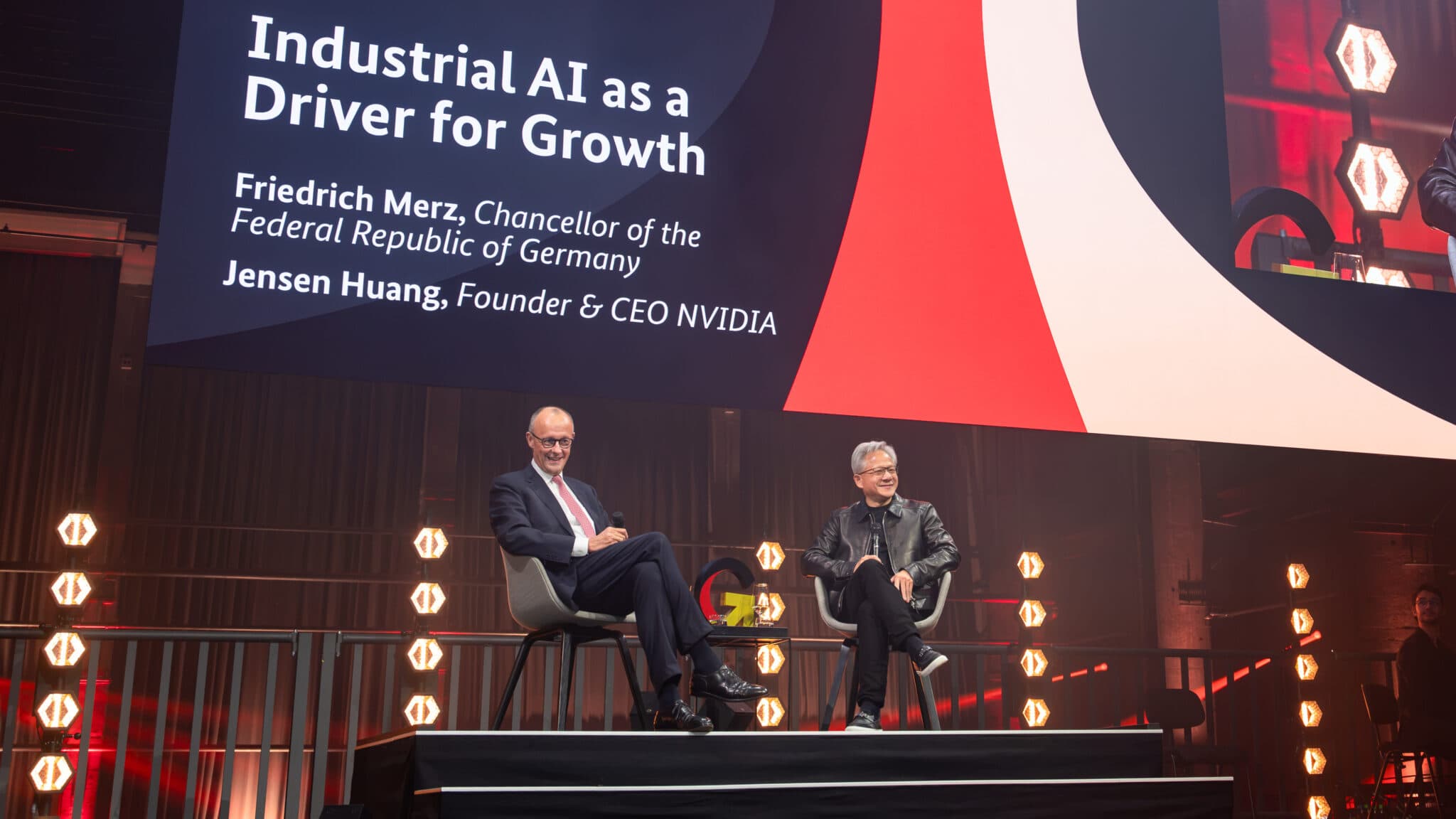
Jensen Huang and Friedrich Merz meet in Berlin on industrial AI
On October 19, 2026, NVIDIA CEO Jensen Huang and German Chancellor Friedrich Merz held a public conversation at Kraftwerk, a former power station in Berlin, to...
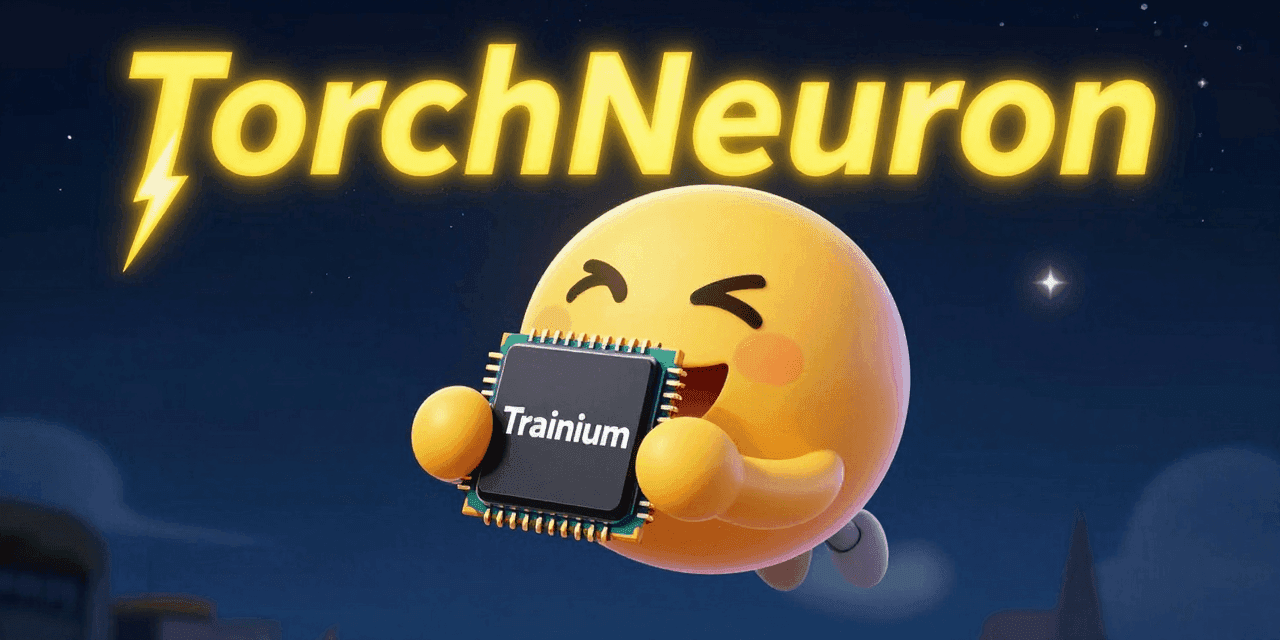
Amazon launches TorchNeuron to run PyTorch models on Trainium chips
Amazon announced TorchNeuron on October 19, 2026, a software tool that lets developers run PyTorch-based AI models on AWS Trainium chips without rewriting their code. The...
NVIDIA runs 104-qubit fault-tolerant quantum simulation at Jülich
On October 19, 2026, NVIDIA ran a record-scale simulation of fault-tolerant quantum computing using the JUPITER exascale supercomputer at the Jülich Supercomputing Centre in Germany. The...